


Selecting a soft starter for many industrial motor applications is more than just motor power. The correct solution for motor starting should be based on the motor data, mechanical load, the starting torque and the real working conditions.
Many buyers supply only the motor power e.g. 75 kW, 250 kW or 800 kW. But motor power alone is not enough. The rated current, voltage, load type, starting frequency, starting time and whether the machine starts with load should all be considered when selecting the appropriate soft starter and motor.
If the wrong soft starter is selected, the soft starter can overheat, the motor may not start smoothly, or protection may trip often.

1. Check the Motor Nameplate First
The motor nameplate is the first step in the selection. Buyers should specify the motor power, rated voltage, rated current, frequency, speed, insulation class and service duty.
Rated current is very important among these details. The soft starter selection should be made based on motor rated current and starting condition not just based on kw or HP.
Two motors with the same horsepower rating could have different current ratings. If the soft starter is chosen only according to the motor power, the final model may be too small or unnecessarily oversized.
For bigger motors it is better to send a clear photo of motor nameplate before asking for recommendation.
2. Match the Load Type and Starting Torque
The starting torque required depends on the machine. Usually a pump or a fan is easier to start than a crusher, conveyor, mixer or ball mill.
For pumps and fans, the main objective is often to reduce starting current and mechanical shock. Soft stop can also reduce water hammer in pump systems .
The starting condition for the conveyors, crushers and ball mills is more critical. Buyers must confirm if the machine can start with no load or with heavy load.
That's why the selection of soft starters and motors must include mechanical load information, not just electrical data.
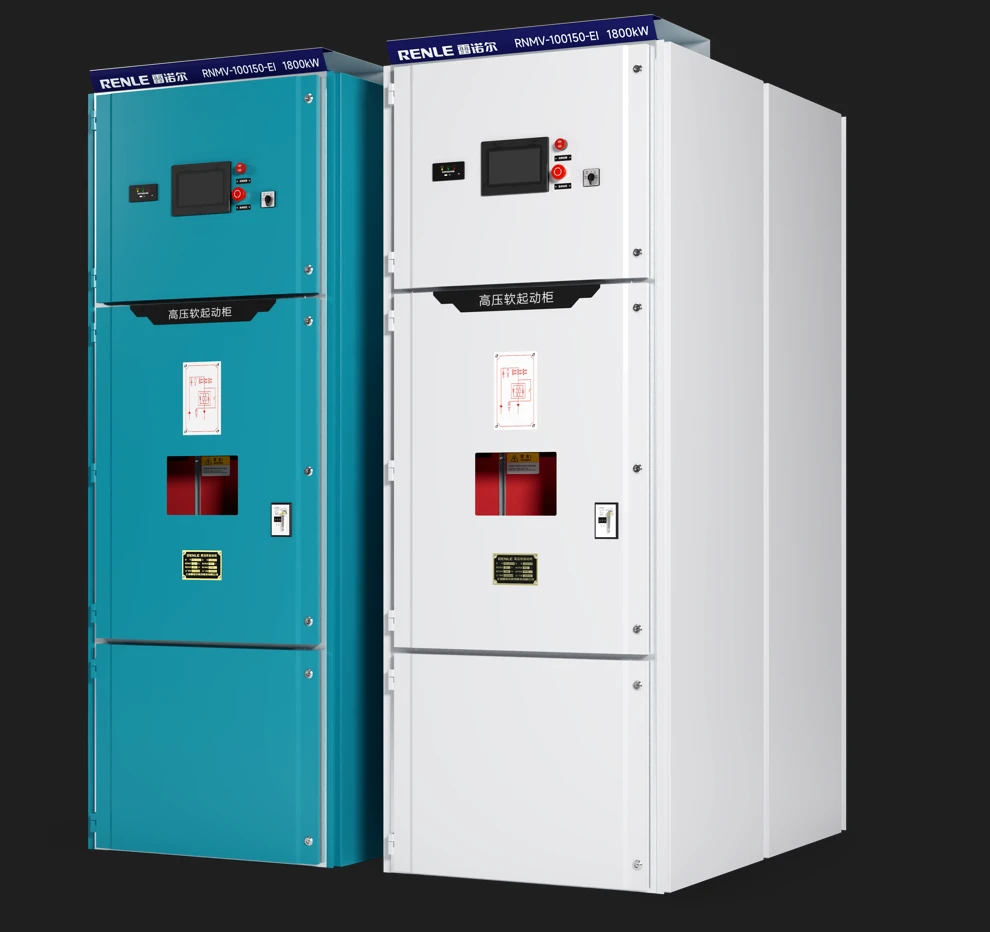
3. Consider Starting Frequency and Duty
Starting frequency is another important point. A motor that starts once a day is very different from one that starts many times an hour.
If the motor starts often the soft starter must have enough thermal capacity. Otherwise the system may trip on over heating .
Buyers should indicate the expected starting time, the number of starts per hour, the working hours per day and whether the motor requires soft stop. These details enable engineers to verify that the selected soft starter is capable of handling the actual duty cycle.
For heavy duty applications bypass contactor, protection functions, cabinet cooling and overload capability must be considered as well.
4. Site Conditions and Buyer Checklist
Installation environment can also influence the long term reliability. Dust, humidity, high temperature, height, poor ventilation and unstable power may all influence the final choice.
For severe environments such as mining, cement, metallurgy, water treatment, and petrochemical plants, cabinet protection and cooling design should be checked carefully.
Buyers should prepare the following information before choosing a soft starter:
Motor power,rated voltage,rated current, motor speed, load type, starting condition, starting frequency, starting time, working hours, site environment and cabinet requirement.
Engineers are available to help check the motor data and mechanical load condition for RENLE soft starter projects. If you need help with soft starter and motor selection, please send us your motor nameplate, equipment type and working condition. For your industrial application we can recommend the appropriate soft starter configuration.


