


In Engineering, Procurement, and Construction (EPC) projects, purchasing a soft starter involves more than selecting equipment based on motor power and voltage. The equipment must meet project specifications, work with the existing electrical and control systems, and satisfy installation and delivery requirements. For EPC contractors, a well-planned soft starter procurement process helps reduce technical risks, avoid unnecessary delays, and ensure smoother project execution.

1. Review Project Specifications and Technical Requirements
Before selecting a soft starter supplier, EPC contractors should carefully review the project's technical specifications and electrical design documents. These may include motor schedules, electrical single-line diagrams, equipment datasheets, and project-specific technical requirements.
Important details include rated voltage, motor power, rated current, applicable standards, protection requirements, and control functions. For medium-voltage applications, it is particularly important to confirm that the proposed soft starter matches the motor voltage and the project's power distribution system.
Any differences between the supplier's proposal and the original project specifications should be identified and clarified before the purchase order is finalized. This helps prevent technical changes and approval delays during project execution.
2. Verify Motor Data and Load Characteristics
Motor data and load characteristics directly influence soft starter performance. EPC contractors should provide accurate motor information, including rated power, voltage, current, frequency, and motor type.
The driven equipment must also be considered. Pumps, fans, compressors, and conveyors have different starting characteristics and operating requirements. For example, a compressor may require different starting torque and acceleration settings from a centrifugal pump.
Buyers should also confirm the expected starting frequency, acceleration time, and operating conditions. Evaluating these factors together helps ensure that the selected soft starter has sufficient starting capability and thermal capacity for the actual application.
3. Confirm Electrical Protection and Control System Integration
A soft starter in an EPC project must operate reliably within the complete electrical and automation system. Buyers should confirm the required motor protection functions and coordination with upstream circuit breakers and protective relays.
Control and communication requirements are equally important. If the equipment needs to communicate with a PLC or DCS, the required communication protocols, control signals, and remote monitoring functions should be specified in advance.
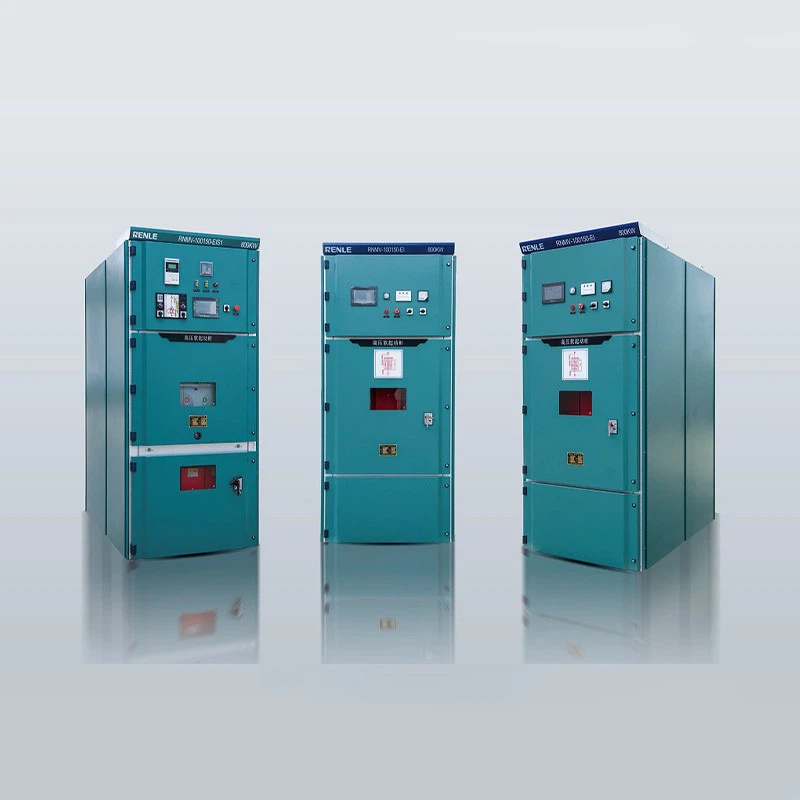
Cabinet configuration should also be reviewed, including dimensions, protection rating, cooling arrangements, cable entry positions, and maintenance access. Confirming these details during procurement can reduce installation difficulties and integration problems at the project site.
4. Define FAT, Inspection, and Documentation Requirements
Factory Acceptance Testing (FAT) is an important consideration in many EPC equipment procurement processes. Before manufacturing begins, buyers should clarify the inspection scope, testing procedures, and acceptance criteria with the manufacturer.
Depending on project specifications, FAT may include equipment configuration checks, wiring inspections, functional testing, protection verification, and communication tests. Any required inspection or witness testing should be agreed upon in advance.
Documentation is another essential part of project delivery. EPC contractors should confirm the availability of technical datasheets, general arrangement drawings, electrical wiring diagrams, test reports, certificates, and installation and operation manuals. Complete documentation supports engineering approval, installation, commissioning, and final project handover.
5. Evaluate Delivery Schedule and Technical Support
EPC projects usually involve multiple contractors, equipment suppliers, and construction teams working according to a coordinated schedule. Therefore, soft starter delivery arrangements should be confirmed early in the procurement process.
Buyers should discuss manufacturing lead times, inspection schedules, export packaging, transportation arrangements, and spare parts availability. For customized medium-voltage soft starter cabinets, design approval and manufacturing coordination should also be included in the project schedule.
Technical support after delivery is equally important. Installation guidance, commissioning assistance, troubleshooting, and warranty arrangements can all affect the successful operation of the equipment. Working with a manufacturer that understands project requirements and can provide responsive technical support helps EPC contractors manage risks throughout the equipment lifecycle.
Conclusion
Successful soft starter procurement for EPC projects requires coordination between technical specifications, motor requirements, electrical integration, factory testing, and delivery planning. By confirming these five areas before placing an order, EPC contractors can reduce procurement risks and improve project execution.
RENLE provides low-voltage and medium-voltage soft starter solutions for industrial motor control applications. With a range of products and engineering support capabilities, RENLE works with EPC contractors, system integrators, and industrial customers to address different project requirements.
our Products


