


Electric motors are widely used in industrial equipment, including pumps, conveyors, compressors, and fans. During operation, motors generate heat due to electrical losses and mechanical processes. If this heat is not properly managed, it can gradually damage the insulation surrounding the motor windings.
Understanding motor insulation class helps explain how motors withstand thermal stress and why temperature management is essential for reliable industrial operation.

1. What Is Motor Insulation Class?
Motor insulation class describes the thermal classification of the insulation system used in an electric motor. It indicates the maximum temperature associated with that insulation class under applicable standards.
Common insulation classes include:
| Insulation Class | Thermal Class Temperature |
|---|---|
| Class B | 130°C |
| Class F | 155°C |
| Class H | 180°C |
These values represent the thermal limits of the insulation system, not the maximum ambient temperature in which a motor can operate.
Different insulation materials have different heat-resistance characteristics. Selecting suitable insulation allows manufacturers to design motors for their intended operating conditions.
However, a higher insulation class does not automatically mean that a motor can deliver more power or operate under every demanding condition. Actual performance also depends on motor design, cooling capacity, load, and operating environment.
2. Why Does Temperature Affect Motor Insulation?
Temperature is one of the major factors influencing insulation aging.
When a motor operates, heat is generated by winding resistance, magnetic losses, and other internal processes. Under normal conditions, the motor's cooling system removes this heat and maintains an appropriate operating temperature.
Problems can occur when the motor experiences excessive loading, poor ventilation, high ambient temperatures, or frequent starting. These conditions may increase the temperature of the windings and create additional thermal stress.
Over time, prolonged exposure to excessive heat can cause insulation materials to deteriorate. As insulation weakens, the risk of electrical faults and unexpected motor failure may increase.
For this reason, insulation class should be considered alongside the motor's actual temperature rise and operating conditions rather than as an isolated specification.
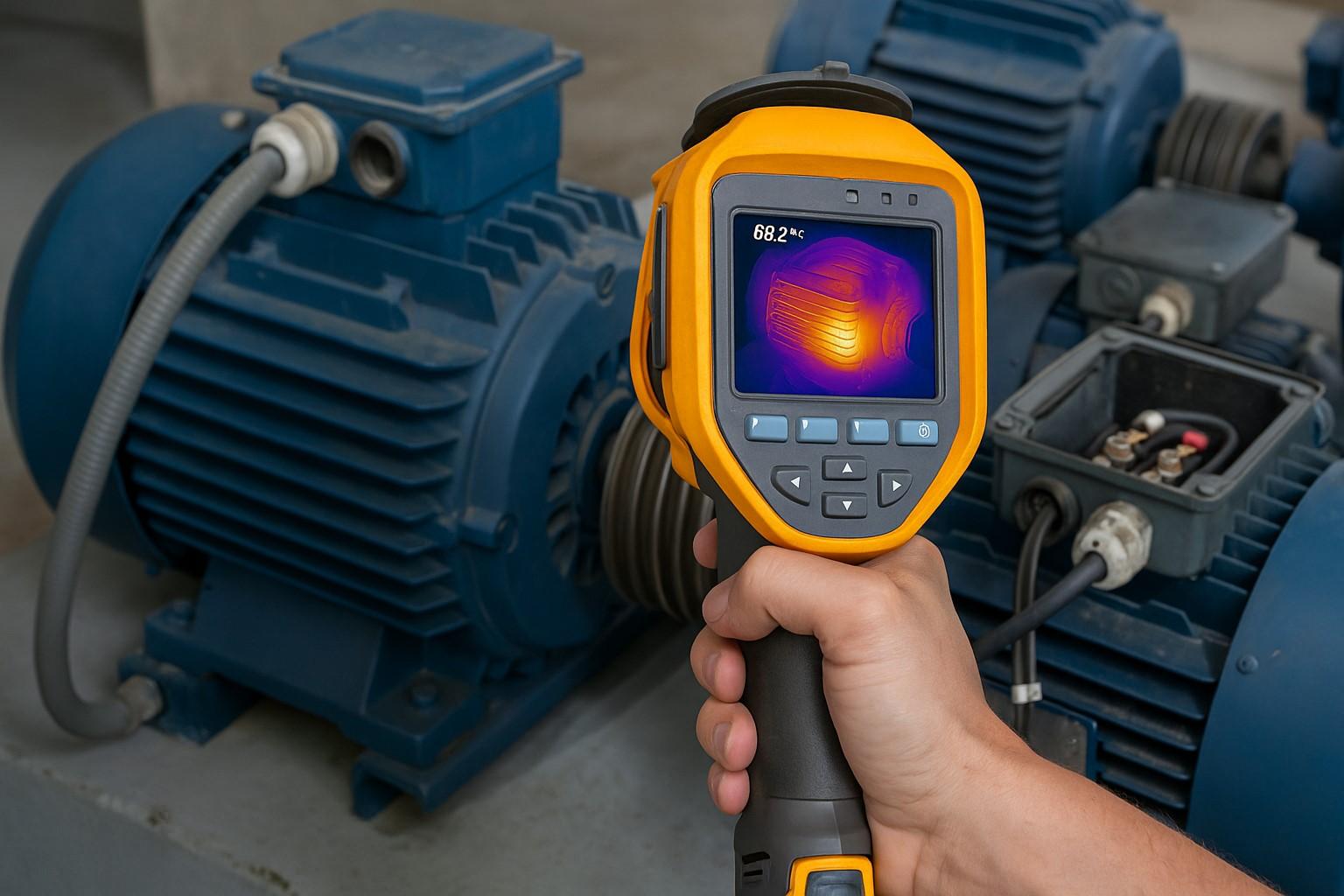
3. What Factors Can Cause a Motor to Overheat?
Several factors can contribute to excessive motor temperature:
- Overloading: Operating a motor beyond its rated capacity can increase winding current and heat generation.
- Poor cooling: Blocked ventilation passages, dirty cooling surfaces, or inadequate airflow can prevent heat from dissipating effectively.
- High ambient temperature: A hot operating environment reduces the temperature difference available for cooling.
- Frequent starting: Repeated starts can create additional thermal stress because starting current is generally higher than normal operating current.
- Electrical problems: Voltage imbalance, unsuitable supply conditions, or other electrical abnormalities can contribute to overheating.
These factors may occur individually or simultaneously. Identifying the underlying cause is therefore important when investigating abnormal motor temperatures.
4. How Does Motor Control Influence Thermal Stress?
Motor control equipment can influence the electrical and mechanical conditions experienced by a motor.
For example, a soft starter gradually increases the voltage supplied to a motor during startup. This can reduce starting current and mechanical shock compared with direct-on-line starting, depending on the motor and load conditions.
However, a soft starter does not eliminate all motor heating. During starting, its power electronics may also generate heat, and the motor continues to produce losses during normal operation.
A variable frequency drive (VFD) controls motor speed by adjusting the supply frequency and voltage. In suitable applications, speed control can help match motor operation to actual process demand. Nevertheless, motor cooling and temperature limits must still be considered, particularly during prolonged low-speed operation.
RENLE provides industrial motor-control solutions, including soft starters and variable frequency drives. Understanding how these devices affect motor operation helps users recognize the relationship between motor control, thermal conditions, and equipment reliability.
5. How Can Motor Insulation Life Be Protected?
Although insulation gradually ages during service, appropriate operating practices can help reduce unnecessary thermal stress.
Industrial users should keep cooling passages clean, maintain adequate ventilation, and avoid prolonged operation under excessive load. Motors should also be operated within the manufacturer's specified limits.
Appropriate overload protection and temperature monitoring can help identify abnormal operating conditions before they lead to serious damage. For critical equipment, regular inspection and maintenance can provide additional information about the motor's condition.
RENLE encourages industrial users to consider motor operating conditions as part of the overall motor-control system. Reliable operation depends not only on the motor's insulation class but also on correct installation, suitable protection, and effective thermal management.
Conclusion
Motor insulation class provides important information about an electric motor's ability to withstand heat. However, the actual service life of insulation also depends on temperature rise, cooling conditions, electrical supply, loading, and maintenance.
By understanding these factors, industrial users can better recognize the causes of motor overheating and take appropriate steps to reduce thermal stress. RENLE's motor-control solutions form part of the wider industrial equipment landscape in which proper motor operation and thermal management remain essential.
our Products


