


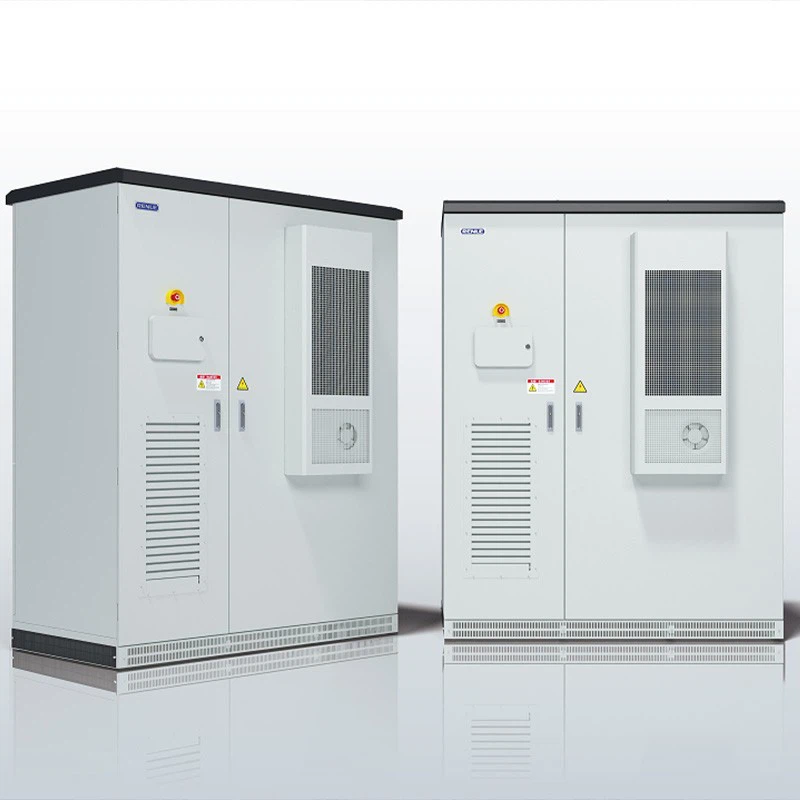

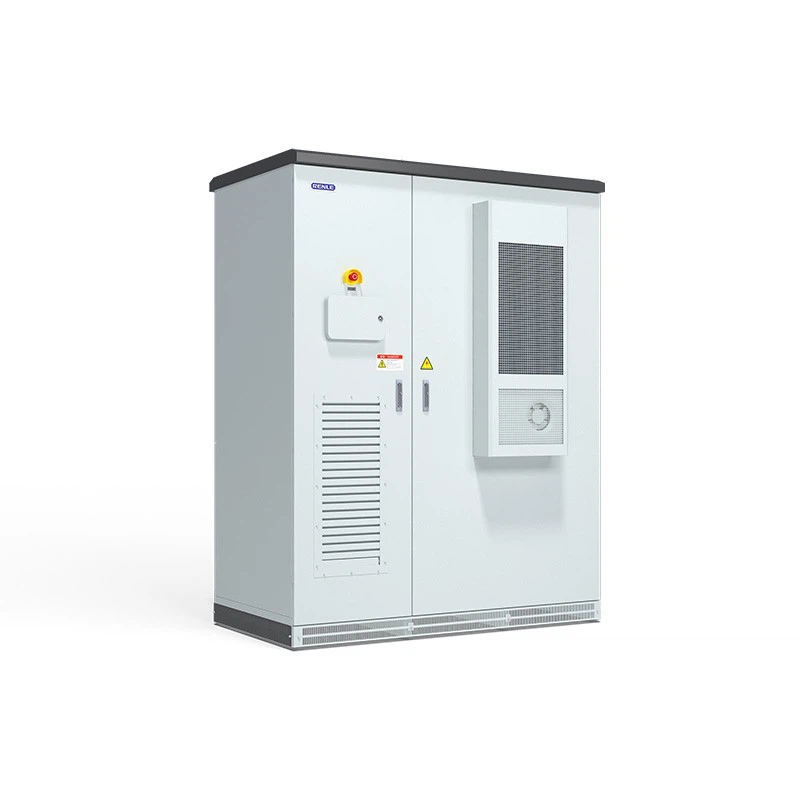


Air-cooled C&I outdoor energy storage cabinets
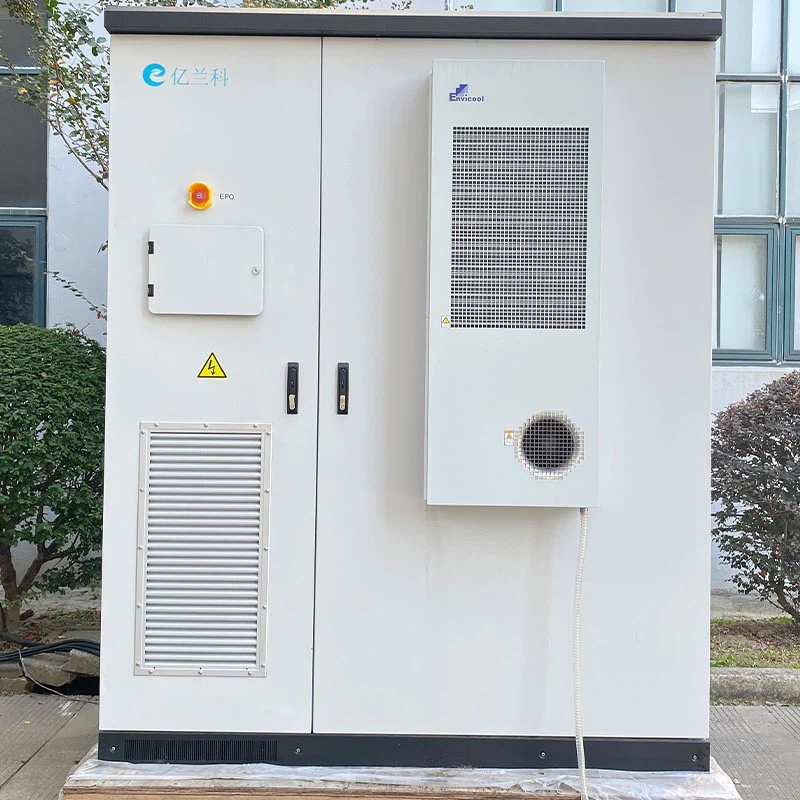
◎ Air-cooled energy storage cabinets use airflow for heat dissipation, offering the advantages of lower cost and easier maintenance.
◎ Outdoor solar battery storage cabinets (air-cooled) feature flexible and intelligent functionality, allowing real-time battery status monitoring via an app or web interface. They are suitable for small commercial and industrial applications.
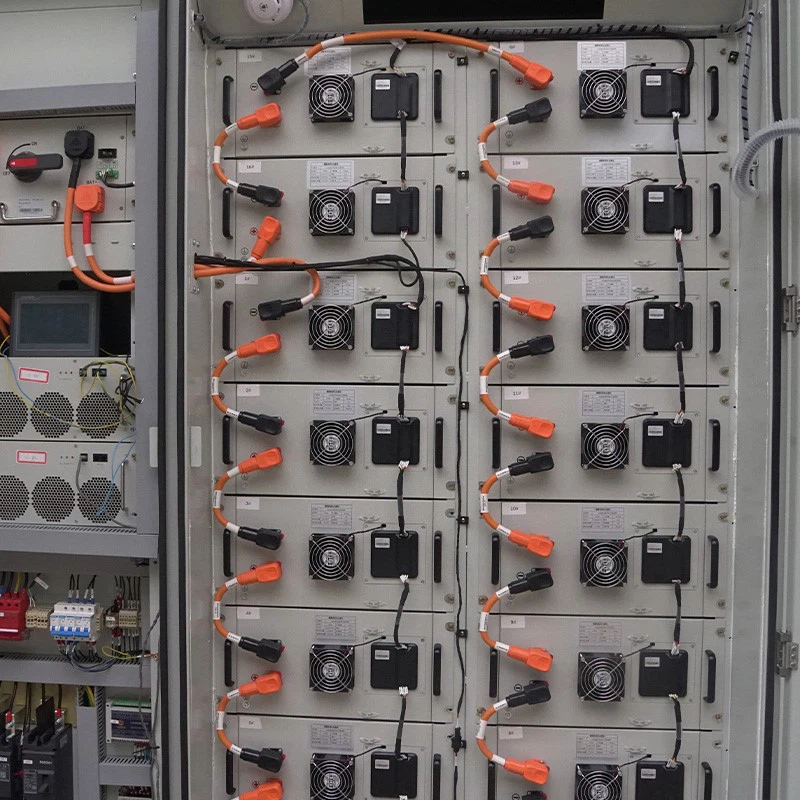
◎ The distributed air-cooled outdoor cabinet integrates lithium iron phosphate battery clusters, battery racks, a BMS, air conditioning, and temperature control systems, meeting energy storage requirements of 100 kW / 200 kWh.
Liquid-cooled C&I outdoor energy storage cabinets
◎ Liquid-cooled energy storage cabinets use liquid coolants for heat dissipation, making them ideal for high-power and high-energy-density applications. They can more effectively control battery temperature and extend battery life.
◎ Outdoor integrated energy storage cabinets (liquid-cooled) provide high-power, high-energy-density solutions suitable for larger energy storage demands.
◎ Commercial and industrial liquid-cooled energy storage systems utilize long-life battery cells, integrated intelligent control systems, and advanced safety and fire protection systems. They support remote monitoring and are suitable for various commercial and industrial scenarios.
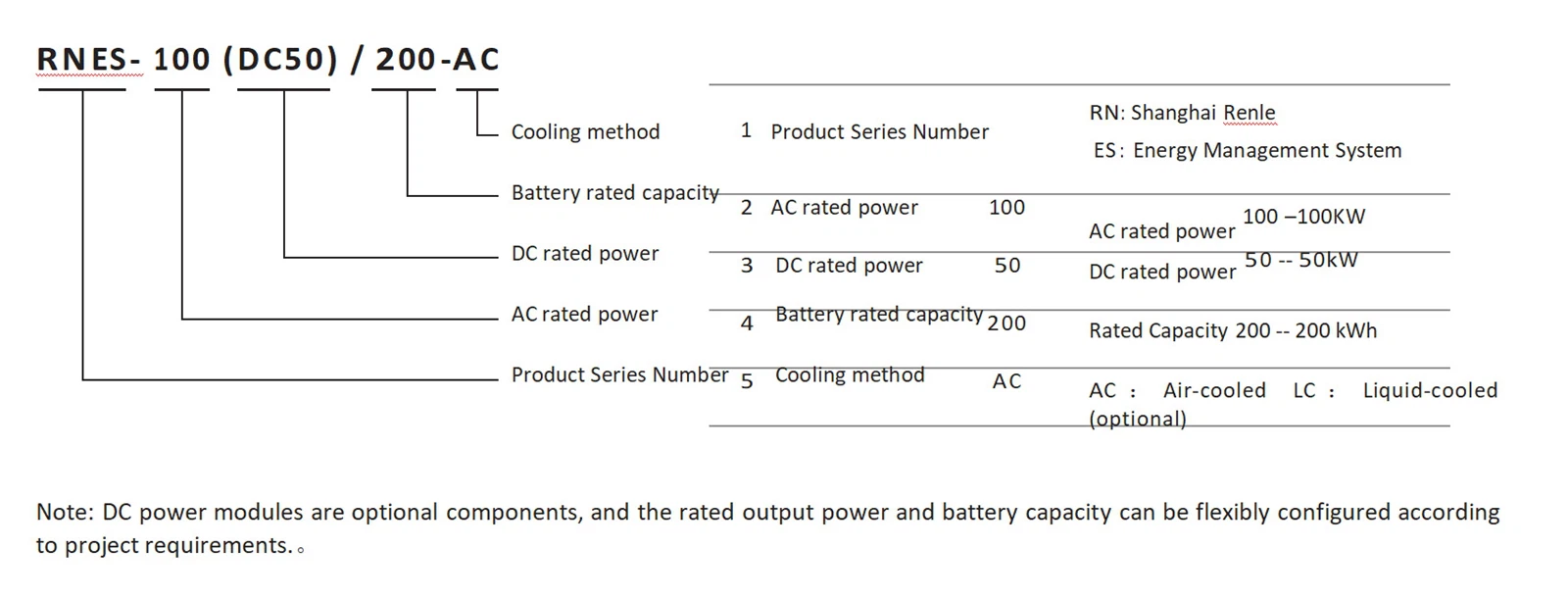
Model Description
Product Features
◎ The solar battery storage cabinet is equipped with built-in smoke detection, water leakage detection, condensation detection, and a fire protection system, ensuring high safety standards.
◎ Modular design enables easy transportation and installation, a short commissioning period, and efficient maintenance after installation.
◎ Features a human-machine interface with a full-color touchscreen, offering user-friendly operation, an intuitive interface, real-time data display, historical record tracking, and fault indication.
◎ Intelligent platform supports both local and remote control, as well as online upgrades. It allows real-time monitoring of operating status and visualization of operational data analysis.
◎ The door-mounted embedded integrated air-conditioning system does not occupy internal cabinet space, thereby increasing usable capacity, enhancing top structural integrity, and providing excellent waterproof performance.
◎ A professional technical team provides comprehensive commissioning and maintenance services, including fault diagnosis and problem resolution.
◎ Remote control response time ≤ 5 seconds, charge/discharge conversion efficiency ≥ 88%, and data collection frequency ≤ 30 seconds.
Application of energy storage system
|
|
|
|
|
|
|
|
|
 |
|


Primary System Diagram

System diagram

All-in-one system

System Design Solution
◎ The solar battery storage cabinet adopts a modular design, integrating lithium iron phosphate battery clusters and racks, a battery management system (BMS), air-conditioning and temperature control systems, fire detection systems, etc.
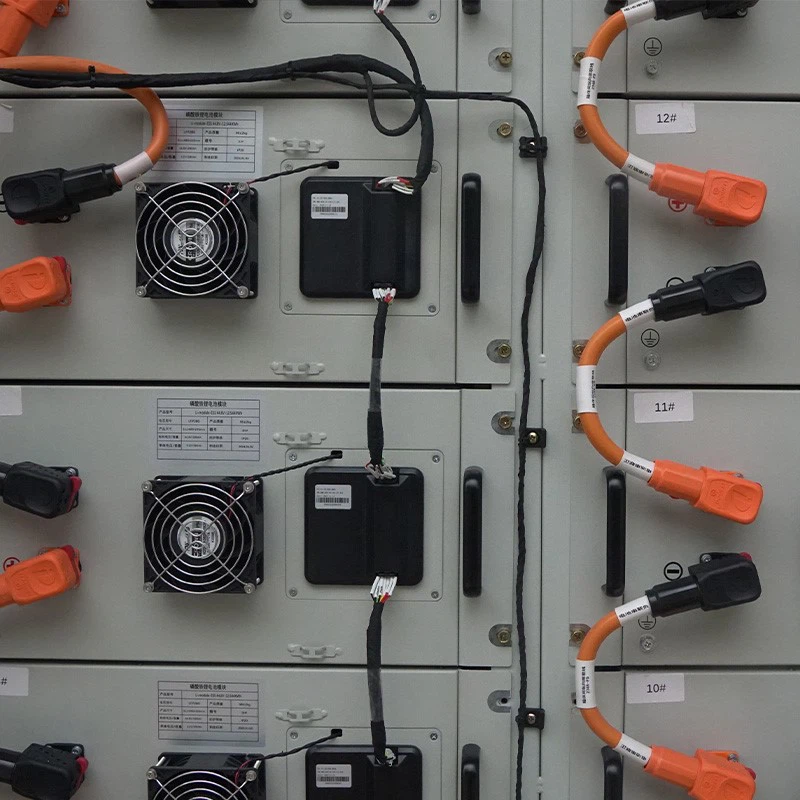
◎ The standard configuration uses a 1P14S battery pack, with each pack rated at 44.8V/280Ah and a nominal energy of 12.54kWh.16 battery packs are connected in series to form a cluster, giving the cluster specifications of 716.8V/280Ah/200kWh. The energy storage battery system uses 280Ah square aluminum-cased lithium iron phosphate cells as the fundamental units for configuration. The battery system consists of 16 1P14S battery packs plus a high-voltage box, forming a 200kWh battery system.
Technical Parameters
|
Number |
Equipment |
Specifications |
Unit |
Quantity |
Note |
|
energy storage system |
100kW/200kWh |
Set |
1 |
Each set includes 1-5 |
|
|
1 |
Energy storage battery system |
100kW/200kWh |
Set |
1 |
Each set includes 1.1-1.6 |
|
1.1 |
Battery pack |
Battery cell:280Ah; Single PACK capacity: 12.54kWh |
Set |
16 |
|
|
1.2 |
High-voltage box |
Integrated with fuses, current sensors, switching power supplies |
--- |
1 |
|
|
1.3 |
Battery rack |
--- |
Set |
1 |
|
|
1.4 |
Air-cooled unit |
Energy storage air-cooled 3kW dedicated air conditioner |
--- |
1 |
- |
|
1.5 |
Fire protection system |
Cluster-level aerosol automatic fire extinguishing system |
Set |
1 |
|
|
1.6 |
BMS Battery management system |
Three-tier architecture, passive balancing |
Set |
1 |
|
|
2 |
Energy storage converter system |
Rated power 100kW, AC output 400V/50Hz, including the following equipment |
Set |
1 |
|
|
2.1 |
Energy storage converter |
100kW |
--- |
1 |
|
|
3 |
Energy storage cabinet and accessories |
Size: 1850×1000×2400mm |
--- |
1 |
|
|
4 |
EMS Hardware and ancillary equipment |
Achieves energy management and coordinated control of the energy storage system |
Set |
1 |
|
|
5 |
Cable |
Cables and communication lines within the energy storage system |
Set |
1 |
Battery modules and performance parameters


Battery system design is a comprehensive engineering process that involves multiple aspects, including cell selection, module configuration, thermal management, electrical safety, mechanical structure design, and the battery management system (BMS).
The battery management unit (BMU) is the smallest modular component within the BMS. It consists of a power module, cell data acquisition module, temperature sensing module, channel switching module, balancing control module, communication module, CPU, and peripheral circuits. The BMU continuously measures cell voltage, total battery string voltage, external power supply voltage, and ambient temperature. It also monitors balancing voltage (for overvoltage and undervoltage protection) and equalization current during charging and discharging. The BMU can actively transmit real-time monitoring data to the battery cluster management unit via the CAN communication bus while receiving control commands from the cluster management unit. The parameters are as follows:
|
Performance Parameters Table for Battery Cells |
||
|
1 |
Battery type |
Aluminum square battery LFP |
|
2 |
Battery model |
LFP-280Ah |
|
3 |
Nominal capacity☆ |
280Ah (0.5C) |
|
4 |
Nominal voltage☆ |
3.2V |
|
5 |
AC internal resistance☆ |
≤ 0.3mΩ |
|
6 |
Weight |
5.34 ± 0.15kg |
|
7 |
Maximum charging current |
560A(@60s,SOC ≤ 80%) |
|
8 |
Charging cut-off voltage |
3.65V |
|
9 |
Maximum discharge current |
560A(@60s,SOC ≤ 80%) |
|
10 |
Discharge cut-off voltage |
2.0V |
|
Maximum operating temperature range |
||
|
11 |
Charging |
0℃~55℃ |
|
Discharging |
-30℃~55℃ |
|
Hot Tags: solar battery storage cabinet, China solar battery storage cabinet manufacturers, suppliers, factory, battery storage system for solar, solar battery system off grid, battery storage system, off grid solar system with battery storage, battery supercapacitor hybrid storage system, solar ess system