

As a trusted supplier of Solid State Soft Starters, I understand the importance of proper maintenance to ensure the longevity and efficient operation of these critical devices. In this blog post, I'll delve into the essential maintenance requirements for solid state soft starters, providing you with valuable insights to keep your equipment in top-notch condition.
Regular Visual Inspections
Visual inspections are the first line of defense in maintaining a solid state soft starter. These inspections should be conducted at regular intervals, depending on the operating environment and usage frequency. Start by checking the external casing for any signs of physical damage, such as cracks, dents, or corrosion. Physical damage can compromise the integrity of the soft starter and lead to electrical hazards or malfunctions.
Next, examine the connections and terminals. Loose or corroded connections can cause overheating, voltage drops, and erratic operation. Ensure that all bolts and screws are tightened to the manufacturer's specifications. Look for any signs of discoloration or burning around the terminals, which may indicate excessive current flow or a poor connection.
Inspect the cooling fans and heat sinks. The cooling system is crucial for dissipating heat generated during operation. Make sure the fans are spinning freely and that there is no debris blocking the air intake or exhaust vents. A clogged cooling system can cause the soft starter to overheat, leading to premature component failure.
Cleaning
Cleaning is an essential part of soft starter maintenance. Dust, dirt, and other contaminants can accumulate on the internal components, reducing their efficiency and potentially causing short circuits. Use a soft brush or compressed air to remove any loose debris from the exterior and interior of the soft starter. Be careful not to damage any sensitive components during the cleaning process.

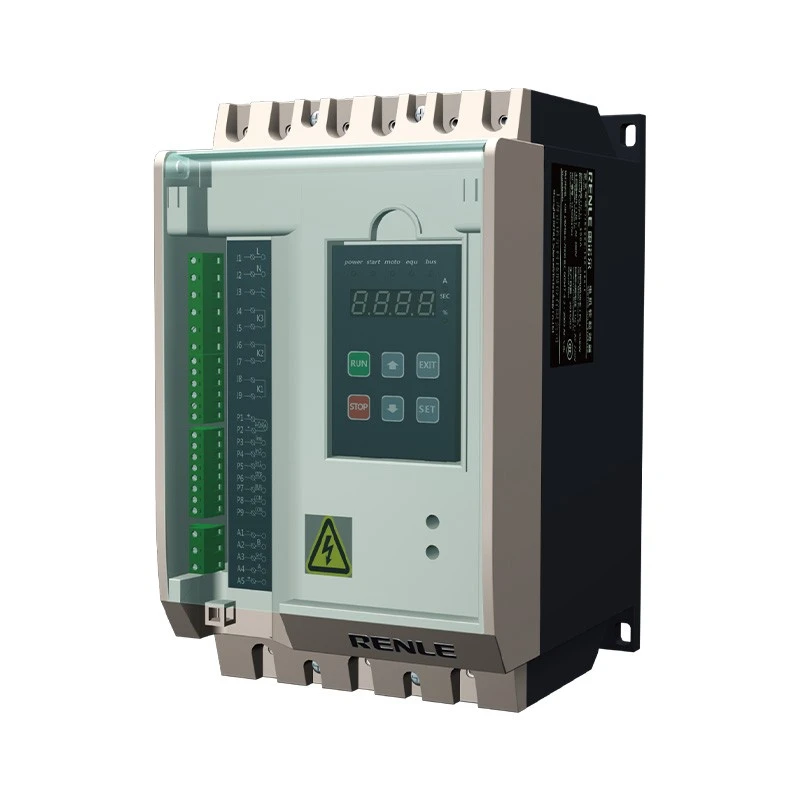
For more stubborn dirt or grease, you can use a mild cleaning solution and a soft cloth. Avoid using abrasive cleaners or solvents, as they can damage the protective coatings on the components. After cleaning, allow the soft starter to dry completely before powering it on.
Electrical Testing
Periodic electrical testing is necessary to ensure that the soft starter is functioning correctly. This includes testing the input and output voltages, current levels, and insulation resistance. Use a multimeter or other appropriate testing equipment to perform these tests.
Check the input voltage to ensure that it is within the specified range for the soft starter. Fluctuations in the input voltage can cause the soft starter to malfunction or damage the connected equipment. Measure the output voltage to verify that it is being regulated properly. Any significant deviations from the expected output voltage may indicate a problem with the soft starter's control circuitry.
Test the current levels to ensure that they are within the rated capacity of the soft starter. Overloading the soft starter can cause overheating and premature component failure. Use a clamp-on ammeter to measure the current flowing through the soft starter.
Insulation resistance testing is important for detecting any insulation breakdown in the soft starter. A low insulation resistance can indicate a potential short circuit or other electrical problem. Use an insulation resistance tester to measure the insulation resistance between the live conductors and the ground.
Software and Firmware Updates
Many modern solid state soft starters are equipped with advanced control algorithms and software features. These software and firmware updates can improve the performance, reliability, and functionality of the soft starter. Check with the manufacturer regularly to see if there are any available updates for your soft starter.
Updating the software and firmware is usually a straightforward process. Follow the manufacturer's instructions carefully to ensure a successful update. Before performing an update, make sure to back up any important configuration settings or data.
Environmental Considerations
The operating environment can have a significant impact on the performance and lifespan of a solid state soft starter. Extreme temperatures, humidity, dust, and vibration can all cause problems for the soft starter. Make sure to install the soft starter in a clean, dry, and well-ventilated area. Avoid exposing the soft starter to direct sunlight, moisture, or corrosive chemicals.
If the soft starter is installed in a harsh environment, such as a factory floor or outdoor location, consider using additional protective measures, such as enclosures or filters. These can help to shield the soft starter from the elements and reduce the risk of damage.
Training and Documentation
Proper training is essential for anyone responsible for maintaining a solid state soft starter. Make sure that your maintenance personnel are familiar with the soft starter's operation, maintenance requirements, and safety procedures. Provide them with access to the manufacturer's documentation, including the user manual, maintenance guide, and troubleshooting tips.
Keep a record of all maintenance activities, including inspections, cleaning, testing, and software updates. This documentation can help you to track the performance of the soft starter over time and identify any potential problems before they become serious.
Conclusion
Maintaining a solid state soft starter is crucial for ensuring its reliable operation and longevity. By following these maintenance guidelines, you can minimize the risk of downtime, extend the lifespan of your soft starter, and protect your investment.
If you're in the market for a high-quality solid state soft starter or need assistance with maintenance and support, I invite you to explore our range of products at Solid State Soft Starter. We also offer Soft Start Motor Starter 3 Phase and Reduced Voltage Soft Starter options to meet your specific needs. Contact us today to discuss your requirements and learn more about how we can help you optimize your motor control systems.
References
- Manufacturer's user manuals and maintenance guides
- Electrical safety standards and regulations