

As a well - established energy storage cabinet supplier, I often encounter inquiries from customers about the expandability of energy storage cabinets. This topic is not only relevant to the practical needs of many potential users but also crucial for understanding the long - term viability and flexibility of energy storage solutions. In this blog, I will delve into the question: Can an energy storage cabinet be expanded in capacity?
Understanding Energy Storage Cabinets
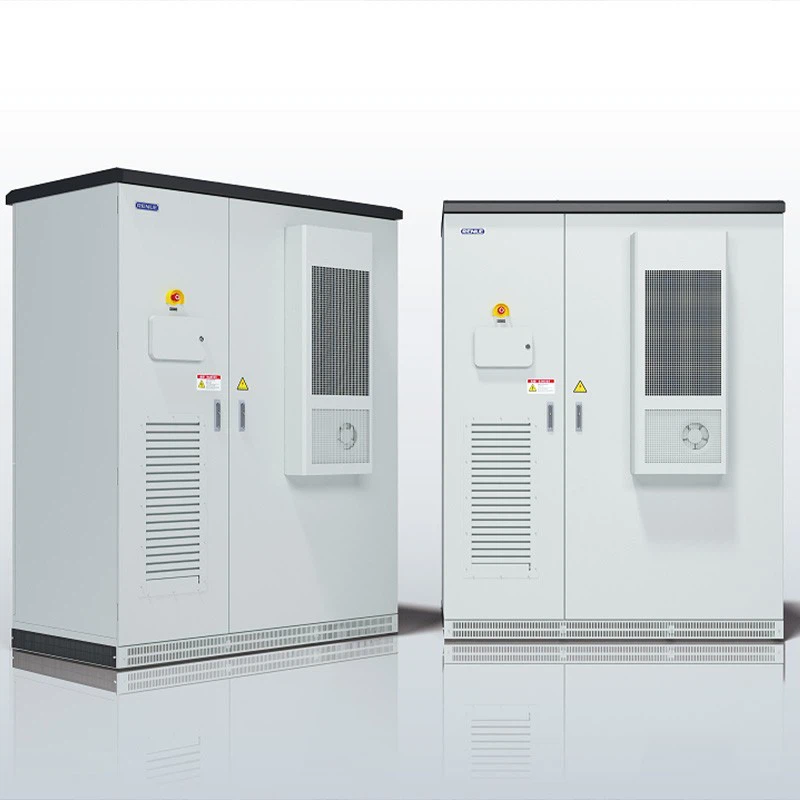
Before we discuss capacity expansion, it's essential to understand what an energy storage cabinet is. Energy storage cabinets are designed to store electrical energy, typically from renewable sources such as solar or wind. They consist of multiple battery modules, a battery management system (BMS), power conversion systems (PCS), and other auxiliary components. These cabinets play a vital role in balancing the supply and demand of electricity, providing backup power during outages, and optimizing the use of renewable energy.
The core of an energy storage cabinet is its battery module. Different types of batteries, such as lithium - ion, lead - acid, and flow batteries, can be used. Lithium - ion batteries are currently the most popular choice due to their high energy density, long cycle life, and relatively low self - discharge rate. The BMS monitors and controls the charging and discharging processes of the batteries, ensuring their safety and performance. The PCS converts the direct current (DC) stored in the batteries into alternating current (AC) for use in the electrical grid or other applications.
Factors Affecting Capacity Expansion
Whether an energy storage cabinet can be expanded in capacity depends on several factors.
1. Design and Architecture
The initial design of the energy storage cabinet is a critical factor. Some cabinets are designed with modularity in mind, which means they are built using standardized battery modules and components. These modular cabinets can be easily expanded by adding more battery modules or additional units. For example, if a cabinet is designed to accommodate a certain number of battery racks, and there is physical space available within the cabinet or the installation area, new racks can be added to increase the capacity.
On the other hand, some non - modular cabinets may have a fixed structure that makes it difficult or impossible to expand. These cabinets may have integrated components that are not easily separable or may lack the necessary space for additional modules.
2. Battery Compatibility
When considering capacity expansion, battery compatibility is of utmost importance. All the batteries in an energy storage cabinet should have similar electrical characteristics, such as voltage, capacity, and state of charge. If new batteries are added that are not compatible with the existing ones, it can lead to uneven charging and discharging, reduced battery life, and even safety hazards.
For instance, if the original batteries in a cabinet have a nominal voltage of 48V and a capacity of 100Ah, any new batteries added for expansion should also have similar specifications. Additionally, the BMS needs to be able to manage the new batteries effectively, which may require software updates or hardware modifications in some cases.
3. Electrical and Thermal Management
Expanding the capacity of an energy storage cabinet also means increasing the electrical load and heat generation. The electrical system, including the wiring, connectors, and PCS, must be able to handle the additional current. If the existing electrical components are undersized, they may overheat, leading to equipment failure or safety risks.
Thermal management is equally important. As the number of batteries increases, so does the heat generated during charging and discharging. The cooling system of the cabinet needs to be able to dissipate the additional heat to maintain the optimal operating temperature of the batteries. Inadequate thermal management can cause the batteries to degrade faster and reduce their overall performance.
4. Regulatory and Safety Requirements
Any capacity expansion of an energy storage cabinet must comply with relevant regulatory and safety standards. These standards may vary depending on the location and application of the cabinet. For example, in some regions, there are specific requirements for the installation, operation, and maintenance of energy storage systems to ensure public safety and environmental protection.
Before expanding the capacity, it's necessary to check with local authorities and obtain the necessary permits. Failure to comply with these regulations can result in fines, legal issues, and potential safety hazards.
Methods of Capacity Expansion
If an energy storage cabinet meets the above - mentioned requirements, there are several methods to expand its capacity.
1. Adding Battery Modules
One of the most common methods is to add more battery modules to the existing cabinet. This can be done by installing additional battery racks or replacing existing modules with higher - capacity ones. For example, if a cabinet originally has four battery modules with a total capacity of 200Ah, adding two more similar modules can increase the capacity to 300Ah.
However, as mentioned earlier, it's crucial to ensure that the new modules are compatible with the existing ones and that the BMS can manage them properly.
2. Parallel Connection of Cabinets
Another option is to connect multiple energy storage cabinets in parallel. This method allows for a significant increase in capacity while maintaining the same voltage level. When cabinets are connected in parallel, the total capacity is the sum of the capacities of all the cabinets.
For example, if each cabinet has a capacity of 500Ah, connecting two cabinets in parallel will result in a total capacity of 1000Ah. However, parallel connection also requires careful consideration of electrical balance and safety. The PCS and BMS need to be configured correctly to ensure that the current is evenly distributed among the cabinets.
3. Upgrading the Power Conversion System
In some cases, upgrading the PCS can also contribute to capacity expansion. A more powerful PCS can handle a higher current, allowing for the addition of more battery modules or the connection of more cabinets. This upgrade may involve replacing the existing PCS with a larger - capacity one or adding additional PCS units.
However, upgrading the PCS also requires careful evaluation of the overall system design and compatibility. The new PCS should be able to work seamlessly with the existing batteries, BMS, and other components.
Case Studies
Let's look at some real - world examples to illustrate the capacity expansion of energy storage cabinets.
Case 1: A Solar Power Plant
A solar power plant initially installed an energy storage cabinet with a capacity of 1MWh to store excess solar energy during the day for use at night. As the solar power plant expanded its generation capacity, the need for more energy storage arose.
The energy storage cabinet was designed with modularity in mind, so the operator was able to add more battery modules to the cabinet. They also upgraded the PCS to handle the increased load. After the expansion, the capacity of the energy storage cabinet increased to 2MWh, effectively meeting the growing energy storage demand of the solar power plant.

Case 2: A Commercial Building
A commercial building installed an energy storage cabinet for peak shaving and backup power. The cabinet had a capacity of 500kWh. As the building's electricity consumption increased over time, the owner decided to expand the capacity.
Since the cabinet was not easily expandable internally, they chose to connect another similar cabinet in parallel. This method allowed them to double the capacity to 1MWh without significant modifications to the existing system. The BMS and PCS were re - configured to manage the two cabinets effectively.
Conclusion
In conclusion, an energy storage cabinet can be expanded in capacity under the right conditions. The key lies in the initial design, battery compatibility, electrical and thermal management, and compliance with regulatory requirements. By carefully considering these factors and choosing the appropriate expansion method, users can increase the energy storage capacity of their cabinets to meet their changing needs.
As a professional energy storage cabinet supplier, we offer a wide range of products with different levels of expandability. Our Solar Battery Storage Cabinet is designed with modularity and flexibility in mind, making it easy to expand the capacity as your energy storage requirements grow.
If you are interested in our energy storage cabinets or have questions about capacity expansion, please feel free to contact us for a detailed consultation. We are committed to providing you with the best energy storage solutions tailored to your specific needs.
References
- "Energy Storage Systems: Technologies and Applications" by J. Hu, S. Li, and X. Zhang.
- "Battery Management Systems: Design, Development, and Application" by K. M. Abraham and D. P. Finegan.
- Industry standards and regulations related to energy storage systems in relevant regions.