

In the modern era of electrical power systems, the efficient and reliable operation of equipment is of paramount importance. With the proliferation of non-linear loads such as variable frequency drives, rectifiers, and switching power supplies, the issue of harmonic distortion has become a significant concern. Harmonics can cause a multitude of problems, including overheating of equipment, reduced power factor, and interference with sensitive electronic devices. This is where active power filters come into play. As a leading supplier of active power filters, I have witnessed firsthand the numerous advantages that these devices offer. In this blog post, I will delve into the key benefits of using an active power filter and explain why it is a crucial investment for any electrical system.
1. Harmonic Mitigation
One of the primary advantages of using an active power filter is its ability to effectively mitigate harmonic distortion. Harmonics are unwanted frequencies that are multiples of the fundamental frequency (usually 50 or 60 Hz) in an electrical system. Non-linear loads generate these harmonics, which can then circulate throughout the system and cause various issues. Active power filters work by continuously monitoring the harmonic content of the electrical current and injecting equal and opposite currents to cancel out the harmonics. This results in a cleaner, more sinusoidal current waveform, reducing the overall harmonic distortion to acceptable levels.
By reducing harmonic distortion, active power filters help to improve the performance and reliability of electrical equipment. Overheating caused by harmonics can lead to premature failure of motors, transformers, and other components. By eliminating harmonics, active power filters can extend the lifespan of these devices, reducing maintenance costs and downtime. Additionally, harmonics can cause interference with sensitive electronic devices, such as computers and communication equipment. Active power filters can help to eliminate this interference, ensuring the smooth operation of these devices.
2. Power Factor Correction
Another significant advantage of using an active power filter is its ability to improve the power factor of an electrical system. Power factor is a measure of how effectively electrical power is being used in a system. A low power factor indicates that a significant portion of the electrical power is being wasted in the form of reactive power. Reactive power is the power that is required to establish and maintain the magnetic fields in inductive loads, such as motors and transformers.
Active power filters can correct the power factor by compensating for the reactive power in the system. They do this by injecting reactive power into the system in the opposite phase to the reactive power generated by the inductive loads. This effectively cancels out the reactive power, resulting in a higher power factor. A higher power factor means that more of the electrical power is being used to do useful work, reducing energy consumption and costs.
In addition to reducing energy costs, a high power factor can also help to improve the efficiency of the electrical system. When the power factor is low, the electrical system has to carry more current to deliver the same amount of real power. This can lead to increased losses in the transmission and distribution lines, as well as overheating of the equipment. By improving the power factor, active power filters can reduce these losses and improve the overall efficiency of the system.
3. Voltage Regulation
Active power filters can also help to regulate the voltage in an electrical system. Voltage fluctuations can occur due to a variety of factors, such as sudden changes in load, faults in the electrical network, or the presence of harmonics. These voltage fluctuations can cause damage to electrical equipment and affect the performance of sensitive electronic devices.
Active power filters can help to regulate the voltage by injecting or absorbing reactive power as needed. When the voltage is too high, the active power filter can absorb reactive power from the system, reducing the voltage. Conversely, when the voltage is too low, the active power filter can inject reactive power into the system, increasing the voltage. This helps to maintain a stable voltage level, ensuring the reliable operation of the electrical equipment.
4. Flexibility and Adaptability
One of the key advantages of active power filters is their flexibility and adaptability. Unlike passive filters, which are designed to filter specific harmonics at a fixed frequency, active power filters can dynamically adjust their operation to compensate for changing harmonic conditions. This makes them suitable for use in a wide range of applications, including industrial plants, commercial buildings, and renewable energy systems.
Active power filters can also be easily integrated into existing electrical systems. They can be installed in parallel with the electrical load, without the need for major modifications to the system. This makes them a cost-effective solution for improving the power quality of an existing electrical system.
5. Energy Savings
By reducing harmonic distortion, improving the power factor, and regulating the voltage, active power filters can help to save energy. As mentioned earlier, harmonics can cause overheating of equipment, which leads to increased energy consumption. By eliminating harmonics, active power filters can reduce the energy consumption of the equipment, resulting in significant energy savings.
In addition, a high power factor means that more of the electrical power is being used to do useful work, reducing the amount of energy that is wasted in the form of reactive power. This can lead to further energy savings, especially in large industrial plants and commercial buildings where the energy consumption is high.
6. Compliance with Standards
Many countries and industries have established standards and regulations regarding the allowable levels of harmonic distortion in electrical systems. Failure to comply with these standards can result in fines, penalties, and even legal action. Active power filters can help to ensure compliance with these standards by effectively mitigating harmonic distortion and maintaining the power quality within the acceptable limits.

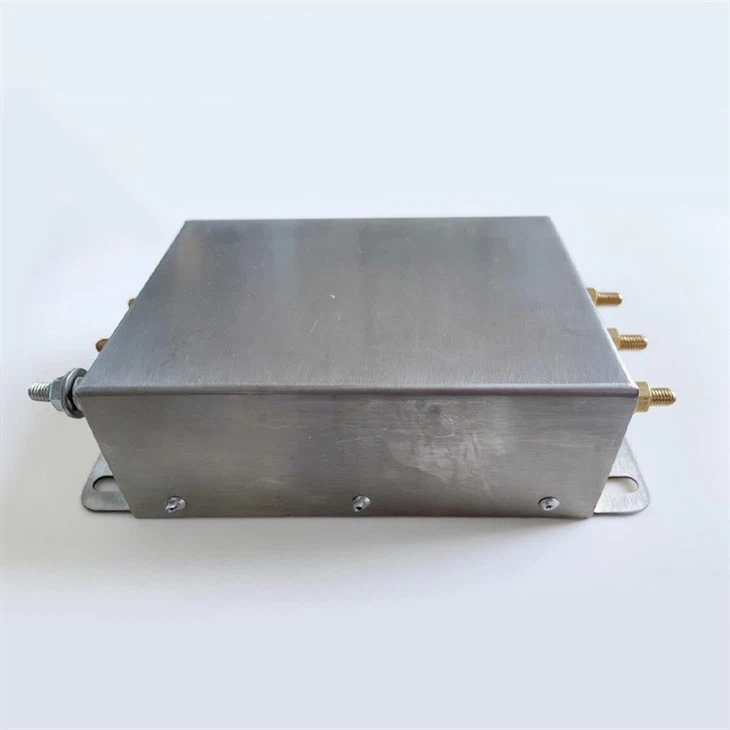
By using an active power filter, you can demonstrate your commitment to environmental sustainability and energy efficiency. This can enhance your reputation as a responsible and reliable business, which can be beneficial for your brand image and customer relationships.
Conclusion
In conclusion, the advantages of using an active power filter are numerous and significant. From harmonic mitigation and power factor correction to voltage regulation and energy savings, active power filters offer a comprehensive solution for improving the power quality of an electrical system. As a supplier of active power filters, I am confident that these devices can provide a cost-effective and reliable solution for your electrical power needs.
If you are interested in learning more about our active power filters or would like to discuss your specific requirements, please do not hesitate to contact us. Our team of experts is always ready to assist you in finding the right solution for your electrical system. Electrical Harmonic Filter
References
- IEEE Standard 519-2014, IEEE Recommended Practices and Requirements for Harmonic Control in Electrical Power Systems.
- International Electrotechnical Commission (IEC) 61000-3-2, Electromagnetic compatibility (EMC) - Part 3-2: Limits - Limits for harmonic current emissions (equipment input current ≤ 16 A per phase).
- International Electrotechnical Commission (IEC) 61000-3-12, Electromagnetic compatibility (EMC) - Part 3-12: Limits - Limits for harmonic current emissions produced by equipment connected to public low-voltage systems with input current > 16 A and ≤ 75 A per phase.