

Hey there! As a medium voltage VFD (Variable Frequency Drive) supplier, I've seen firsthand how temperature can have a huge impact on these devices. In this blog, I'm gonna break down exactly what those impacts are and why it matters to you.
Let's start with the basics. A medium voltage VFD is a crucial piece of equipment in many industrial settings. It's used to control the speed of electric motors, which can save a ton of energy and improve the efficiency of your operations. But like any electronic device, it's sensitive to its environment, and temperature is one of the most important factors.
How Temperature Affects the Performance of Medium Voltage VFDs
1. Electrical Resistance
One of the most fundamental ways temperature affects a medium voltage VFD is through its impact on electrical resistance. As the temperature rises, the resistance of the conductors inside the VFD also increases. This means that for the same amount of current flowing through the device, more power is dissipated as heat. In simple terms, the VFD has to work harder to do the same job, which can lead to reduced efficiency.
For example, if you have a medium voltage VFD operating in a hot environment, say above 40°C (104°F), the increased resistance can cause the device to draw more current than it would at a lower temperature. This not only wastes energy but can also put additional stress on the components, potentially leading to premature failure.
2. Component Lifespan
High temperatures can significantly reduce the lifespan of the components inside a medium voltage VFD. Many of the electronic components, such as capacitors and semiconductors, are designed to operate within a specific temperature range. When the temperature exceeds this range, the chemical reactions inside these components speed up, which can cause them to degrade more quickly.
Capacitors, for instance, are particularly sensitive to temperature. As the temperature rises, the electrolyte inside the capacitor can evaporate, reducing its capacitance and increasing its equivalent series resistance (ESR). This can lead to overheating and eventually failure of the capacitor. Similarly, semiconductors like insulated-gate bipolar transistors (IGBTs) can experience thermal stress at high temperatures, which can cause their performance to degrade over time.
3. Cooling System Efficiency
Most medium voltage VFDs are equipped with cooling systems to dissipate the heat generated during operation. These cooling systems can be either air-cooled or liquid-cooled. However, high ambient temperatures can reduce the efficiency of these cooling systems.
In an air-cooled system, the cooling fans have to work harder to move the hot air out of the VFD enclosure. If the ambient temperature is too high, the air being drawn in is already hot, which makes it less effective at cooling the components. In a liquid-cooled system, the cooling liquid may not be able to absorb as much heat if the ambient temperature is high, which can lead to overheating of the VFD.
Impact on Different Types of Medium Voltage VFDs
1. Medium Voltage VSD
Medium Voltage VSDs are designed to provide precise control of motor speed and torque. However, temperature can have a significant impact on their performance. The power electronics in a Medium Voltage VSD are very sensitive to temperature, and high temperatures can cause the device to trip or malfunction.
For example, if the temperature of the IGBTs in a Medium Voltage VSD exceeds their maximum operating temperature, the device may shut down to prevent damage. This can lead to costly downtime in your industrial processes.
2. Medium Voltage Variable Speed Drive
Similar to Medium Voltage VSDs, Medium Voltage Variable Speed Drives are also affected by temperature. The control algorithms in these drives rely on accurate sensor readings to adjust the motor speed and torque. High temperatures can cause the sensors to give inaccurate readings, which can lead to poor control performance.
In addition, the power modules in a Medium Voltage Variable Speed Drive generate a lot of heat during operation. If the cooling system is not able to dissipate this heat effectively due to high ambient temperatures, the power modules can overheat, leading to reduced efficiency and potential damage.
3. High Voltage Drive
High Voltage Drives are used in applications where high power and high voltage are required. These drives are even more sensitive to temperature than medium voltage drives because of the higher power densities involved.
The insulation materials in a High Voltage Drive are designed to withstand a certain temperature range. If the temperature exceeds this range, the insulation can degrade, leading to electrical breakdown and potential safety hazards. In addition, the high voltage components in a High Voltage Drive generate a lot of heat, and effective cooling is crucial to ensure their reliable operation.
How to Mitigate the Impact of Temperature
1. Proper Installation
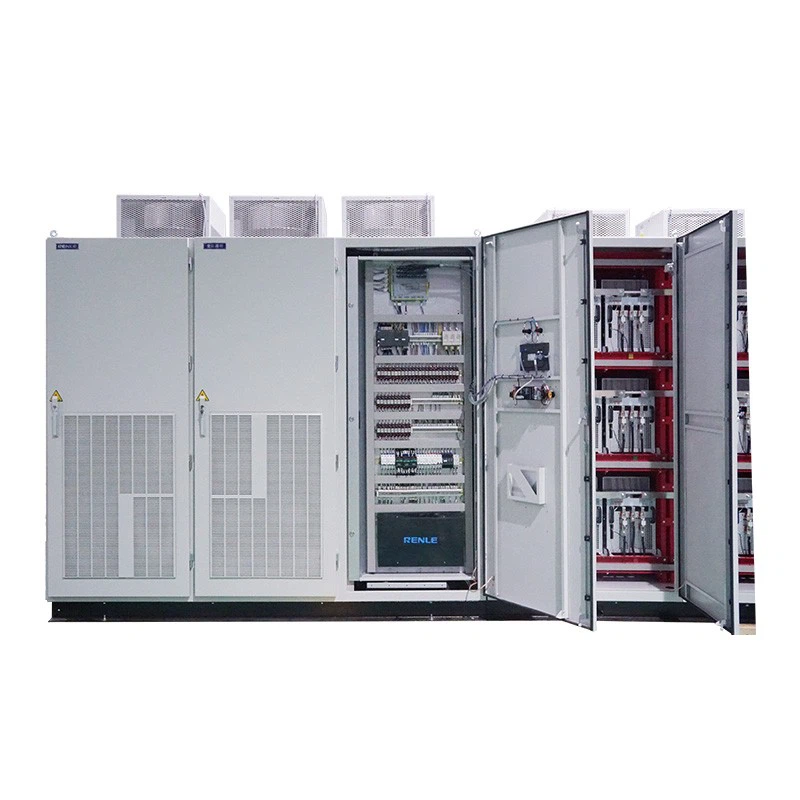
One of the most important steps in mitigating the impact of temperature on a medium voltage VFD is proper installation. Make sure the VFD is installed in a well-ventilated area away from sources of heat, such as boilers or furnaces. The VFD enclosure should also be properly sealed to prevent dust and debris from entering, which can reduce the efficiency of the cooling system.

2. Regular Maintenance
Regular maintenance is essential to ensure the proper operation of a medium voltage VFD. This includes cleaning the cooling system, checking the temperature sensors, and replacing any worn-out components. By performing regular maintenance, you can detect and address any potential issues before they become major problems.
3. Temperature Monitoring
Installing temperature sensors inside the VFD enclosure can help you monitor the temperature of the components in real-time. This allows you to take proactive measures, such as adjusting the cooling system or reducing the load on the VFD, if the temperature starts to rise.
Conclusion
As you can see, temperature has a significant impact on the performance and lifespan of medium voltage VFDs. Whether you're using a Medium Voltage VSD, a Medium Voltage Variable Speed Drive, or a High Voltage Drive, it's important to understand how temperature affects these devices and take steps to mitigate its impact.
If you're in the market for a medium voltage VFD, or if you have any questions about how temperature affects these devices, don't hesitate to reach out. We're here to help you choose the right VFD for your application and ensure its reliable operation. Contact us today to start the conversation!
References
- "Variable Frequency Drives: Selection, Application, and Troubleshooting" by Mark H. Miller
- "Power Electronics Handbook" by M. H. Rashid