

As an energy storage cabinet supplier, I often get asked about the capacity range of energy storage cabinets. It's a crucial question, as the capacity determines how much energy can be stored and later used, which is vital for various applications. In this blog, I'll delve into the details of the capacity range of energy storage cabinets, exploring the factors that influence it and the typical capacities available in the market.
Understanding Energy Storage Cabinet Capacity
The capacity of an energy storage cabinet is measured in kilowatt - hours (kWh). It represents the amount of electrical energy that the cabinet can store. To put it simply, if an energy storage cabinet has a capacity of 10 kWh, it can supply 10 kilowatts of power for one hour, or 1 kilowatt of power for 10 hours, assuming ideal conditions.
The capacity range of energy storage cabinets can vary widely, from small - scale units suitable for residential use to large - scale systems designed for industrial and grid - scale applications.
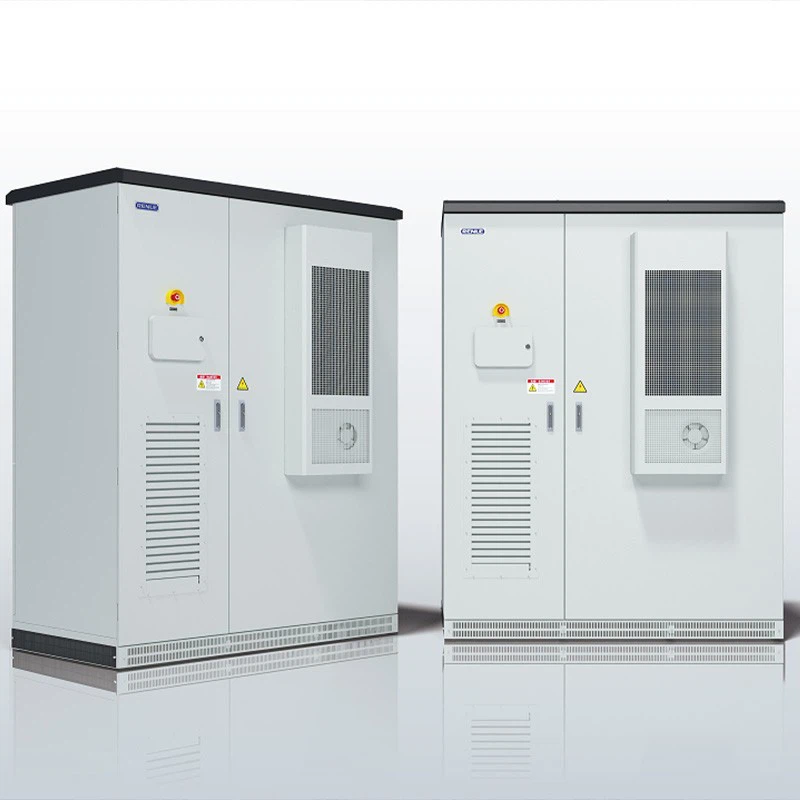

Factors Influencing Capacity
Several factors influence the capacity of energy storage cabinets. Understanding these factors is essential for customers to choose the right cabinet for their specific needs.
Battery Technology
The type of battery used in the energy storage cabinet is one of the most significant factors affecting its capacity. Different battery chemistries have different energy densities, which is the amount of energy that can be stored per unit volume or mass.
- Lithium - Ion Batteries: These are the most commonly used batteries in energy storage cabinets today. They have a high energy density, which means they can store a large amount of energy in a relatively small space. Lithium - ion batteries can offer capacities ranging from a few kWh for small residential units to several MWh for large - scale grid applications. For example, a typical residential lithium - ion energy storage cabinet might have a capacity of 5 - 20 kWh, while a large - scale industrial cabinet could have a capacity of 1 - 10 MWh or more.
- Lead - Acid Batteries: Although less common than lithium - ion batteries, lead - acid batteries are still used in some energy storage applications. They have a lower energy density compared to lithium - ion batteries, which means they require more space to store the same amount of energy. Lead - acid battery - based energy storage cabinets usually have capacities in the range of 1 - 10 kWh for small - scale applications.
Application Requirements
The intended application of the energy storage cabinet also plays a crucial role in determining its capacity.
- Residential Applications: In a residential setting, the main purpose of an energy storage cabinet is to store excess energy generated by solar panels during the day and use it at night or during power outages. The capacity required for a residential energy storage cabinet depends on the household's energy consumption, the size of the solar panel system, and the desired level of backup power. A typical household might need a storage capacity of 5 - 15 kWh to meet its basic energy needs during a power outage or to optimize the use of solar energy.
- Commercial and Industrial Applications: Commercial and industrial facilities have much higher energy consumption compared to residential homes. They may use energy storage cabinets for peak shaving, load shifting, and backup power. For example, a small commercial building might require a storage capacity of 50 - 200 kWh, while a large industrial plant could need a capacity of several MWh.
- Grid - Scale Applications: Grid - scale energy storage is used to balance the supply and demand of electricity on the power grid. It helps to integrate renewable energy sources, such as solar and wind, into the grid and improve grid stability. Grid - scale energy storage cabinets can have capacities ranging from several MWh to hundreds of MWh.
Cabinet Design and Configuration
The design and configuration of the energy storage cabinet also affect its capacity. The number of battery modules, the way they are connected, and the overall layout of the cabinet can all impact the total energy storage capacity.
Typical Capacity Ranges in the Market
Based on the factors mentioned above, here are the typical capacity ranges of energy storage cabinets in the market:
Small - Scale Energy Storage Cabinets
- Residential Use: As mentioned earlier, residential energy storage cabinets usually have capacities in the range of 5 - 20 kWh. These cabinets are typically designed to be installed in a garage or basement and are connected to a residential solar panel system. They can provide backup power for essential appliances during a power outage and help homeowners reduce their electricity bills by using stored solar energy. For more information on a Solar Battery Storage Cabinet suitable for residential use, you can visit our website.
- Small Commercial Use: Small commercial buildings, such as shops and offices, may require energy storage cabinets with capacities in the range of 20 - 100 kWh. These cabinets can be used for peak shaving and load shifting, helping businesses reduce their electricity costs and improve their energy efficiency.
Medium - Scale Energy Storage Cabinets
- Medium - Sized Commercial and Industrial Facilities: Medium - sized commercial and industrial facilities, such as factories and warehouses, may need energy storage cabinets with capacities in the range of 100 kWh - 1 MWh. These cabinets can provide backup power, support peak shaving, and help integrate renewable energy sources into the facility's energy system.
Large - Scale Energy Storage Cabinets
- Large - Scale Industrial and Grid - Scale Applications: Large - scale industrial plants and grid - scale energy storage projects require cabinets with capacities of 1 MWh or more. These cabinets can store large amounts of energy and play a crucial role in stabilizing the power grid, integrating renewable energy, and providing backup power during emergencies.
Choosing the Right Capacity
When choosing an energy storage cabinet, it's important to consider your specific energy needs, budget, and the available space. Here are some steps to help you choose the right capacity:
- Assess Your Energy Consumption: Calculate your average daily energy consumption and peak energy demand. This will give you an idea of how much energy you need to store.
- Consider Your Renewable Energy Generation: If you have a solar panel or wind turbine system, determine how much excess energy it generates during the day. This will help you decide how much energy you can store for later use.
- Evaluate Your Backup Power Requirements: If you need backup power during power outages, determine how long you need the backup power to last and what appliances or equipment you need to power.
- Consult with an Expert: It's always a good idea to consult with an energy storage expert or a professional installer. They can help you analyze your energy needs and recommend the right capacity and type of energy storage cabinet for your situation.
Conclusion
The capacity range of energy storage cabinets is diverse, catering to a wide range of applications from small residential units to large - scale grid - scale projects. The choice of capacity depends on various factors, including battery technology, application requirements, and cabinet design. As an energy storage cabinet supplier, we offer a wide range of energy storage cabinets with different capacities to meet the needs of our customers.
If you're interested in purchasing an energy storage cabinet, we'd be happy to help you find the right solution for your specific requirements. Contact us to start a procurement discussion and take the first step towards a more sustainable and reliable energy future.
References
- "Energy Storage Handbook", edited by the Electric Power Research Institute.
- Industry reports on energy storage technologies and market trends.