

Hey there! I'm a supplier of energy storage cabinets, and I've been thinking a lot about the environmental impacts of these nifty devices. In this blog, I'll break down the good, the bad, and the ugly when it comes to how energy storage cabinets affect our planet.
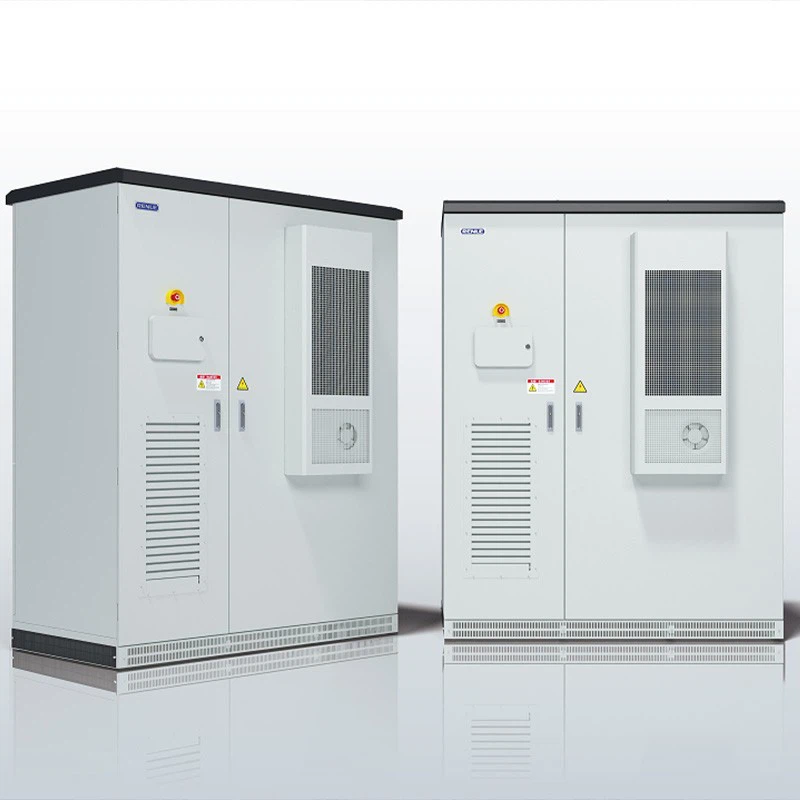

Let's start with the positives. Energy storage cabinets play a crucial role in integrating renewable energy sources like solar and wind into the grid. You see, solar and wind power are intermittent, meaning they don't produce electricity all the time. The sun doesn't shine at night, and the wind doesn't blow constantly. That's where energy storage cabinets come in. They can store excess energy generated during peak production times and release it when the demand is high or when the renewable sources aren't producing.
For instance, during a sunny day, a Solar Battery Storage Cabinet can soak up all that solar energy. Then, when it gets dark and the solar panels stop working, the stored energy can be used to power homes and businesses. This reduces our reliance on fossil - fuel power plants, which are major contributors to greenhouse gas emissions. By using energy storage cabinets, we can make renewable energy more reliable and widespread, which is a huge win for the environment.
Another environmental benefit is related to grid stability. When there are sudden spikes or drops in electricity demand, energy storage cabinets can help balance the grid. This means that power plants don't have to ramp up or down their production as frequently. Traditional power plants, especially those burning coal or natural gas, are less efficient when they are constantly changing their output levels. By maintaining a more stable grid, energy storage cabinets can reduce the overall energy consumption of power plants and, in turn, lower their emissions.
Now, let's talk about the not - so - great aspects. One of the main concerns is the manufacturing process of energy storage cabinets. The production of batteries, which are a key component of these cabinets, requires a significant amount of energy and resources. For example, lithium - ion batteries, which are commonly used in energy storage, need materials like lithium, cobalt, and nickel. Mining these materials can have a substantial environmental impact. It can lead to deforestation, soil erosion, and water pollution. The extraction process often involves large - scale open - pit mining, which destroys natural habitats and can contaminate water sources with heavy metals.
Moreover, the energy used in the manufacturing process is often sourced from non - renewable energy sources. This means that, initially, the production of energy storage cabinets can contribute to greenhouse gas emissions. However, it's important to note that over the lifetime of the cabinet, the emissions reduction from using renewable energy and stabilizing the grid can offset the initial manufacturing emissions.
Another issue is the end - of - life management of energy storage cabinets. Batteries have a limited lifespan, and when they reach the end of their useful life, they need to be disposed of properly. If not, they can pose a significant environmental threat. Batteries contain toxic chemicals, and if they are dumped in landfills, these chemicals can leach into the soil and groundwater. Recycling batteries is a solution, but it's not without its challenges. The recycling process is complex and energy - intensive, and currently, the recycling infrastructure for large - scale energy storage batteries is not well - developed in many parts of the world.
Despite these challenges, there are ways to mitigate the negative environmental impacts. For manufacturers like me, we can focus on improving the efficiency of the manufacturing process. This can involve using more renewable energy in our factories and optimizing the use of raw materials. We can also invest in research and development to find alternative battery chemistries that are less reliant on scarce and environmentally - damaging materials.
When it comes to end - of - life management, we can work with recycling companies to develop better recycling technologies and expand the recycling infrastructure. We can also encourage customers to return used batteries for proper recycling.
In conclusion, energy storage cabinets have both positive and negative environmental impacts. On one hand, they are essential for the widespread adoption of renewable energy and grid stability, which can significantly reduce greenhouse gas emissions. On the other hand, their manufacturing and end - of - life management pose environmental challenges. As a supplier, I'm committed to minimizing the negative impacts and maximizing the positive ones.
If you're interested in learning more about our energy storage cabinets or are thinking about making a purchase, I'd love to have a chat with you. We can discuss how our products can meet your energy storage needs while also being as environmentally friendly as possible.
References
- "Renewable Energy and Energy Storage: A Comprehensive Guide" by Energy Research Institute
- "Environmental Impacts of Battery Manufacturing" in Journal of Environmental Science and Technology
- "Grid Stability and the Role of Energy Storage" from International Energy Agency Reports