

Hey there! As a supplier of energy storage cabinets, I've seen firsthand the challenges that come with system integration. It's not all sunshine and rainbows, that's for sure. In this blog, I'm gonna break down some of the major hurdles we face in integrating energy storage cabinet systems and why they matter.
Compatibility Issues
One of the biggest headaches in energy storage cabinet system integration is compatibility. You see, there are so many different components involved in an energy storage system - batteries, inverters, controllers, and so on. Each of these components is made by different manufacturers, and they all have their own specifications and standards.
For example, let's say you have a battery that has a certain voltage and current rating, and an inverter that's designed to work with a different set of ratings. If you try to integrate these two components without proper consideration, you're likely to run into problems. The battery might not charge or discharge properly, or the inverter might not be able to convert the DC power from the battery into AC power efficiently.

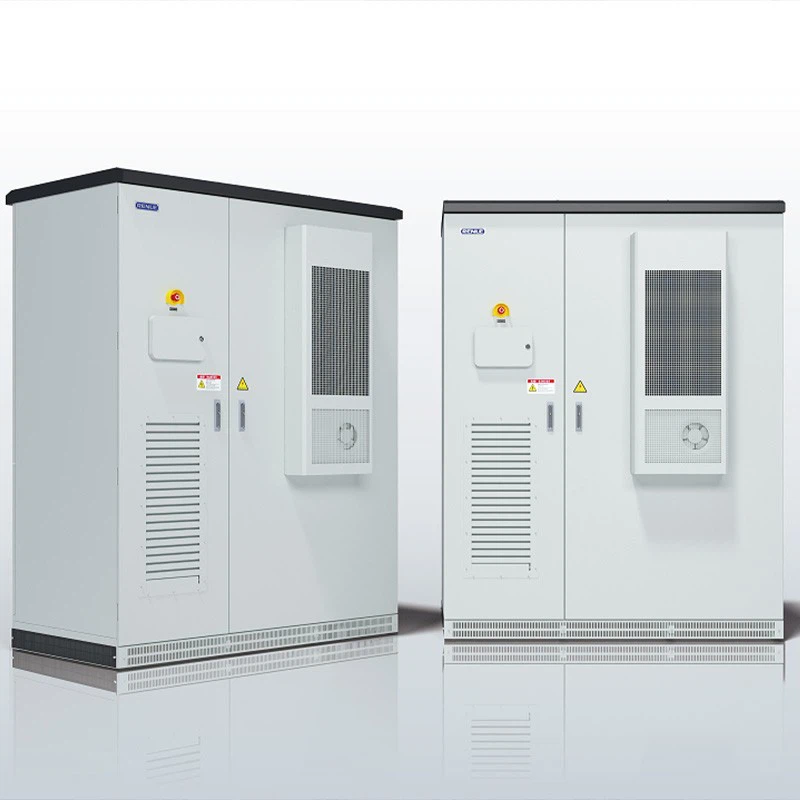
This lack of compatibility can lead to a whole host of issues, including reduced system performance, shorter battery life, and even safety hazards. To overcome this challenge, we need to do a lot of research and testing before we start integrating components. We have to make sure that all the components we're using are compatible with each other and that they can work together seamlessly.
Safety Concerns
Safety is always a top priority when it comes to energy storage systems. Energy storage cabinets store a large amount of energy, and if something goes wrong, it can have serious consequences. There are several safety issues that we need to address during system integration.
First of all, there's the risk of thermal runaway. Batteries generate heat during charging and discharging, and if this heat isn't managed properly, it can lead to a chain reaction where the battery temperature rises uncontrollably. This can cause the battery to catch fire or explode. To prevent thermal runaway, we need to install proper thermal management systems in the energy storage cabinets. These systems can include cooling fans, heat sinks, and thermal insulation.
Another safety concern is electrical safety. Energy storage systems operate at high voltages, and there's a risk of electric shock if proper precautions aren't taken. We need to make sure that all electrical connections are properly insulated and that there are no exposed wires. We also need to install safety devices such as circuit breakers and fuses to protect against overcurrent and short circuits.
Scalability
Scalability is an important consideration for energy storage cabinet system integration. As the demand for energy storage grows, we need to be able to scale up our systems easily. However, scaling up an energy storage system isn't as simple as just adding more batteries or cabinets.
When we scale up a system, we need to make sure that all the components can handle the increased load. For example, if we add more batteries to a system, we need to make sure that the inverter can handle the additional power. We also need to consider the physical space requirements for the additional cabinets. If the energy storage facility doesn't have enough space, it can be difficult to expand the system.
To achieve scalability, we need to design energy storage systems that are modular and flexible. This means that the components can be easily added or removed as needed. We also need to use standardized components that are widely available in the market. This makes it easier to find replacement parts and to integrate new components into the system.
Cost Management
Cost is always a factor in any project, and energy storage cabinet system integration is no exception. The cost of energy storage systems can be quite high, and we need to find ways to manage these costs without sacrificing performance or safety.
One of the main cost drivers in energy storage system integration is the cost of the batteries. Batteries are the most expensive component of an energy storage system, and their cost can vary depending on the type and capacity. To reduce the cost of batteries, we need to look for ways to improve their efficiency and lifespan. We can also explore the use of alternative battery chemistries that are more cost-effective.
Another cost factor is the cost of installation and maintenance. Energy storage systems require a lot of labor and expertise to install, and they also need regular maintenance to ensure their proper operation. To reduce installation and maintenance costs, we need to design energy storage systems that are easy to install and maintain. We can also use remote monitoring and diagnostic systems to detect and address problems before they become serious.
Regulatory Compliance
Regulatory compliance is a complex and ever-changing landscape in the energy storage industry. There are many different regulations and standards that we need to comply with when integrating energy storage cabinet systems.
These regulations cover a wide range of areas, including safety, environmental protection, and grid connection. For example, there are regulations regarding the installation and operation of energy storage systems in residential and commercial buildings. There are also regulations regarding the disposal of batteries at the end of their life.
To ensure regulatory compliance, we need to stay up-to-date with the latest regulations and standards. We need to work closely with regulatory authorities to make sure that our energy storage systems meet all the requirements. We also need to document all our compliance efforts to demonstrate that we're operating in a legal and responsible manner.
The Role of System Integration in Overcoming Challenges
Despite these challenges, system integration plays a crucial role in making energy storage systems work effectively. A well-integrated energy storage system can provide reliable and efficient energy storage solutions.
By carefully selecting and integrating compatible components, we can ensure that the system operates at its optimal performance. We can also address safety concerns by implementing proper safety measures during system integration. Scalability can be achieved by designing modular and flexible systems, and cost management can be improved by optimizing the component selection and installation process.
Conclusion
In conclusion, energy storage cabinet system integration is a complex and challenging process. Compatibility issues, safety concerns, scalability, cost management, and regulatory compliance are all major hurdles that we need to overcome. However, with the right approach and the right expertise, we can successfully integrate energy storage systems and provide reliable and efficient energy storage solutions.
If you're interested in learning more about our Solar Battery Storage Cabinet or have any questions about energy storage cabinet system integration, feel free to reach out to us. We're here to help you find the best energy storage solution for your needs. Let's work together to make the most of energy storage technology!
References
- [List relevant industry reports, research papers, or standards here. For example: "Energy Storage System Design and Integration Best Practices", XYZ Research Institute, 20XX.]