

As a leading energy storage cabinet supplier, understanding the discharge rates of energy storage cabinets is crucial for both our company and our customers. Energy storage cabinets play a vital role in modern energy systems, providing a stable and reliable way to store and release electrical energy. In this blog post, we will explore what discharge rates are, why they matter, and how they impact the performance of energy storage cabinets.
What is the Discharge Rate?
The discharge rate of an energy storage cabinet refers to the speed at which the stored electrical energy is released. It is typically measured in amperes (A) or as a multiple of the battery's rated current, denoted as C. For example, a 1C discharge rate means that the battery is being discharged at a rate equal to its rated current. If a battery has a rated capacity of 100 amp - hours (Ah) and a 1C discharge rate, it will be discharged at a current of 100A.
The discharge rate is an important parameter because it directly affects the power output and runtime of the energy storage cabinet. Higher discharge rates allow for more power to be delivered in a shorter period, which is beneficial in applications where high - power bursts are required, such as in electric vehicles or uninterruptible power supplies (UPS). On the other hand, lower discharge rates may be more suitable for applications where a steady and long - term power supply is needed, like in off - grid solar power systems.
Factors Affecting Discharge Rates
Several factors can influence the discharge rates of energy storage cabinets. The first and most significant factor is the battery chemistry. Different types of batteries, such as lithium - ion, lead - acid, and nickel - metal hydride, have different inherent capabilities for high - rate discharge.
- Lithium - ion Batteries: Lithium - ion batteries are known for their high energy density and excellent high - rate discharge performance. They can typically support discharge rates of up to 5C or even higher in some cases. This makes them suitable for a wide range of applications, including electric vehicles, consumer electronics, and grid - connected energy storage systems. For example, in an electric vehicle battery pack, the ability to discharge at high rates allows for rapid acceleration and quick charging.
- Lead - Acid Batteries: Lead - acid batteries, which are one of the oldest and most widely used battery technologies, have a lower high - rate discharge capability compared to lithium - ion batteries. They are typically limited to discharge rates of around 0.2C - 1C. However, lead - acid batteries are still popular in applications where cost is a major concern, such as in some backup power systems and small off - grid solar installations.
- Nickel - Metal Hydride Batteries: Nickel - metal hydride batteries offer a balance between energy density and high - rate discharge performance. They can generally support discharge rates of 1C - 3C, making them suitable for applications like hybrid electric vehicles and some portable electronics.
Another factor that affects the discharge rate is the battery's state of health (SOH). As batteries age, their internal resistance increases, which can limit the discharge rate. A battery with a high SOH will be able to maintain a relatively stable discharge rate over its lifespan, while a battery with a low SOH may experience a significant drop in discharge performance.
The temperature also plays a crucial role in the discharge rate. Batteries generally perform better at moderate temperatures. At low temperatures, the chemical reactions inside the battery slow down, which can reduce the discharge rate and overall battery capacity. Conversely, high temperatures can cause accelerated aging and potentially lead to safety issues if the battery is discharged at a high rate.
Importance of Discharge Rates in Different Applications
The discharge rate requirements vary depending on the application. Let's take a look at some common applications and how the discharge rate impacts their performance.
Renewable Energy Storage
In renewable energy systems, such as solar and wind power installations, energy storage cabinets are used to store excess energy generated during peak production times and release it when the energy generation is low. For solar power systems, a lower discharge rate may be sufficient for most of the time, as the energy is typically released over a relatively long period. However, during periods of high demand or when there is a sudden drop in solar energy production, a higher discharge rate may be required to meet the load.
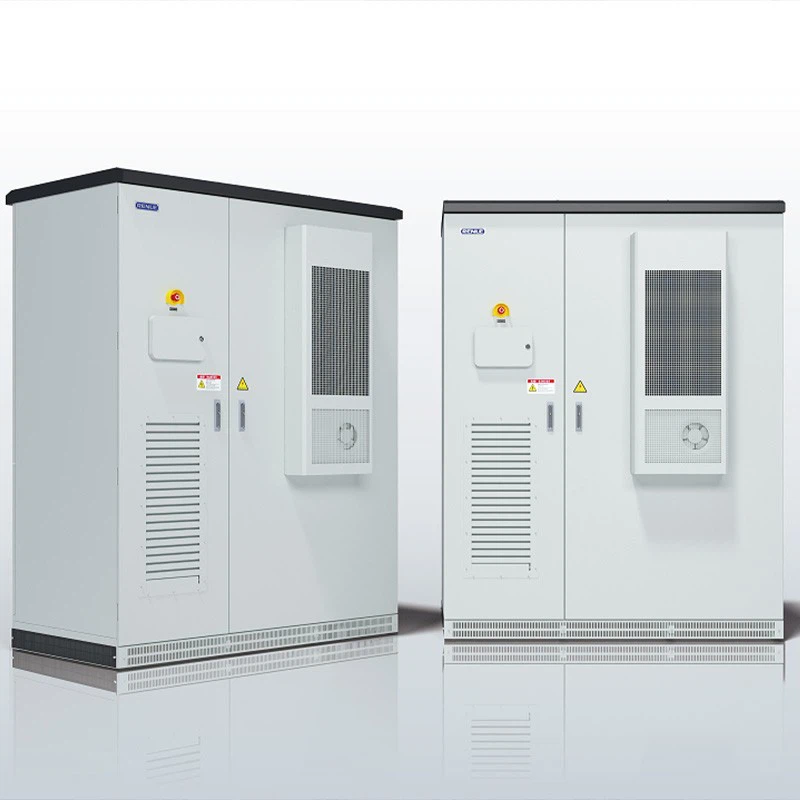
Our Solar Battery Storage Cabinet is designed to meet the diverse discharge rate requirements of solar power systems. It can provide a stable power output at various discharge rates, ensuring a continuous and reliable energy supply.
Uninterruptible Power Supplies (UPS)
UPS systems are used to provide emergency power in the event of a power outage. They need to be able to deliver high - power bursts immediately to keep critical equipment running. For this reason, UPS systems require energy storage cabinets with high discharge rates. A UPS with a high - rate discharge capability can quickly switch on and provide power to servers, data centers, and other essential systems, preventing data loss and equipment damage.
Electric Vehicles
Electric vehicles rely heavily on the battery's discharge rate for acceleration, climbing hills, and maintaining high speeds. A high - performance electric vehicle battery needs to be able to discharge at a very high rate to provide the necessary power to the electric motor. The discharge rate also affects the vehicle's range and charging time. A battery with a high discharge rate can potentially support faster charging and longer driving ranges.
How Our Energy Storage Cabinets Meet Discharge Rate Requirements
As a professional energy storage cabinet supplier, we have developed a range of products that are optimized for different discharge rate requirements. Our engineering team conducts extensive research and testing to ensure that our energy storage cabinets can deliver the best performance in various applications.
We use high - quality batteries with excellent high - rate discharge capabilities, such as advanced lithium - ion batteries. These batteries are carefully selected and integrated into our cabinets to provide a reliable and efficient energy storage solution. Our cabinets are also equipped with advanced battery management systems (BMS) that monitor and control the discharge process, ensuring that the batteries operate within their safe and optimal discharge rates.
In addition, we offer customized solutions to meet the specific discharge rate requirements of our customers. Whether you need an energy storage cabinet for a small residential solar system or a large - scale industrial application, we can work with you to design and manufacture a product that meets your exact needs.
Conclusion
Understanding the discharge rates of energy storage cabinets is essential for selecting the right energy storage solution for your application. At our company, we are committed to providing high - quality energy storage cabinets that can meet the diverse discharge rate requirements of our customers. Our Solar Battery Storage Cabinet is just one example of our products that are designed to provide reliable and efficient energy storage.
If you are interested in learning more about our energy storage cabinets or have specific discharge rate requirements for your project, we invite you to contact us for a detailed discussion. Our team of experts is ready to assist you in finding the best solution for your energy storage needs.

References
- Rand, D. A. J., Moseley, P. T., Garche, J., & Ogumi, Z. (2010). Lithium - ion Batteries: Science and Technologies. Springer Science & Business Media.
- Linden, D., & Reddy, T. B. (2002). Handbook of Batteries. McGraw - Hill.
- Dubarry, M. (2018). Battery Management Systems, Volume I: Battery Modeling. Academic Press.