

Hey there! As a supplier of energy storage cabinets, I often get asked about the backup power capabilities of these nifty devices. So, I thought I'd take a deep dive into this topic and share some insights with you all.
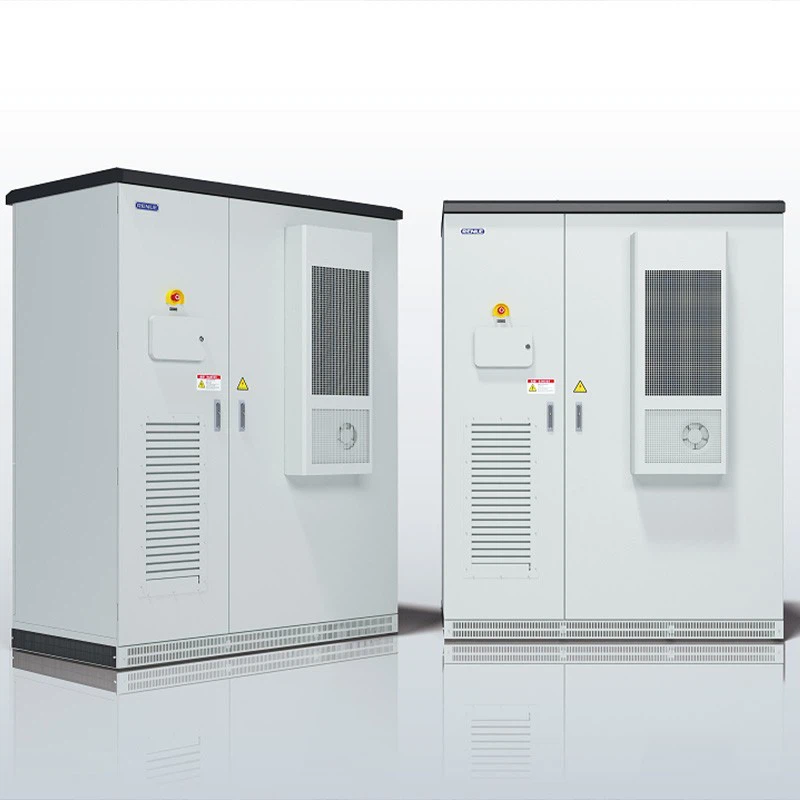
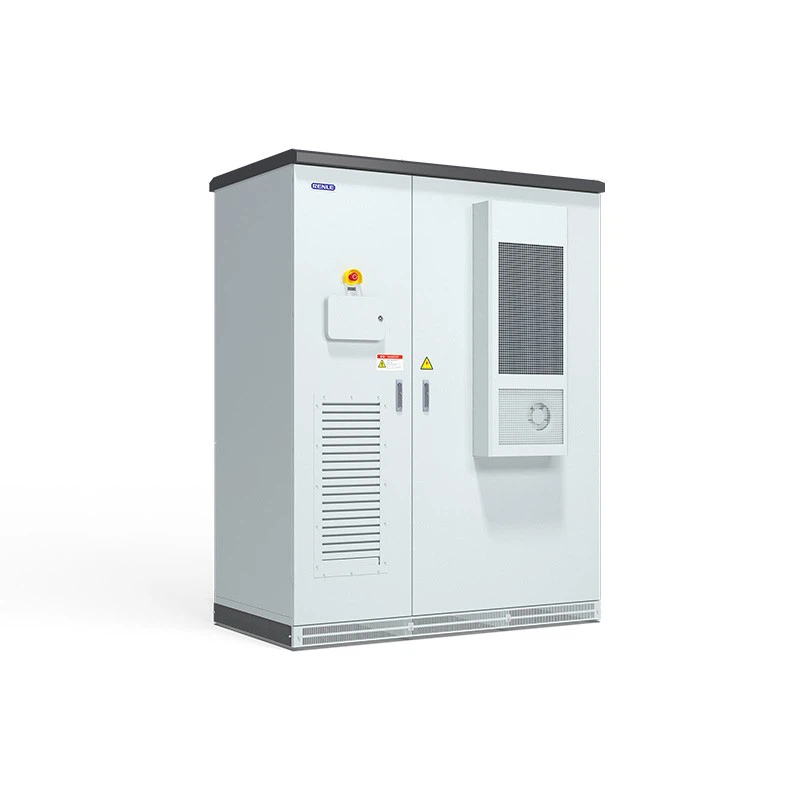
Let's start by understanding what energy storage cabinets are. In simple terms, they're like big, high - tech battery banks. They store electrical energy and can release it when needed. These cabinets are super important, especially in a world where power outages can be a real pain in the neck, and renewable energy sources like solar and wind can be a bit inconsistent.
How Much Power Can They Store?
The storage capacity of energy storage cabinets can vary widely. It all depends on the type of batteries used, the size of the cabinet, and the design. Some smaller cabinets might be able to store a few kilowatt - hours (kWh) of energy, which is enough to power a small home's essential appliances like a fridge, a few lights, and a TV for a few hours during a power outage.
On the other hand, larger industrial - grade energy storage cabinets can store hundreds or even thousands of kWh. These are used in big commercial buildings, factories, or to support the power grid. For example, a large factory might need a huge amount of power to keep its machinery running during an outage, and a high - capacity energy storage cabinet can make that happen.
Types of Backup Power Scenarios
Home Backup
For homeowners, energy storage cabinets are a game - changer. Let's say you have a Solar Battery Storage Cabinet. During the day, your solar panels generate electricity. Some of this electricity is used to power your home, and the excess is stored in the energy storage cabinet. When the sun goes down or there's a power outage, the cabinet kicks in and provides power to your home.
You can use this backup power to keep your home comfortable. Run the air - conditioner in summer or the heater in winter, keep your fridge running to prevent food from spoiling, and charge your phones and other devices. It gives you peace of mind knowing that you're not at the mercy of the power grid.
Commercial and Industrial Backup
In the commercial and industrial sectors, the stakes are much higher. A power outage in a factory can mean lost production, damaged equipment, and significant financial losses. Energy storage cabinets can provide backup power to keep critical operations running.
For example, in a data center, even a short power outage can lead to data loss and service disruptions. An energy storage cabinet can ensure that servers keep running until the main power is restored or a backup generator kicks in. In a hospital, backup power is a matter of life and death. Energy storage cabinets can power life - saving equipment like ventilators, monitors, and operating room lights.
Factors Affecting Backup Power Capabilities
Battery Technology
The type of battery used in the energy storage cabinet is a major factor. Lithium - ion batteries are currently the most popular choice. They have a high energy density, which means they can store a lot of energy in a relatively small space. They also have a long lifespan and can be charged and discharged many times without significant degradation.
Lead - acid batteries, on the other hand, are older technology. They're cheaper but have a lower energy density and a shorter lifespan. So, if you want a high - performance energy storage cabinet with long - term reliability, lithium - ion is usually the way to go.
Charging and Discharging Rates
The charging and discharging rates of the energy storage cabinet also play a role in its backup power capabilities. A cabinet with a high charging rate can quickly store energy when it's available. For example, if you have a large solar array generating a lot of power during the day, a cabinet with a high charging rate can take in that energy fast.
The discharging rate determines how quickly the cabinet can release power. In a situation where you need a large amount of power immediately, like starting up a big motor in a factory, a cabinet with a high discharging rate is essential.
Efficiency
Efficiency is another crucial factor. When energy is stored in the cabinet and then released, there are always some losses. A more efficient energy storage cabinet will have fewer losses. This means that more of the stored energy can be used for backup power. High - efficiency cabinets are not only better for the environment but also more cost - effective in the long run.
Real - World Examples
Let's look at a real - world example of how energy storage cabinets are used for backup power. There's a small town in a remote area that relies mainly on solar power. During the day, the solar panels generate enough electricity to meet the town's needs. But at night or during cloudy days, there's a risk of power shortages.
The town installed a large energy storage cabinet. During the day, the excess solar energy is stored in the cabinet. When the sun goes down, the cabinet starts supplying power to the town. This has ensured a stable power supply for the residents, allowing them to run their homes, businesses, and schools without interruptions.
How to Choose the Right Energy Storage Cabinet for Backup Power
If you're thinking about getting an energy storage cabinet for backup power, there are a few things to consider. First, figure out how much power you need. Make a list of the appliances or equipment you want to run during a power outage and calculate their power consumption.
Next, think about the battery technology. As I mentioned earlier, lithium - ion is usually a good choice for most applications. Also, look at the charging and discharging rates and the efficiency of the cabinet.
It's also a good idea to talk to a professional. As an energy storage cabinet supplier, I can help you assess your needs and recommend the right cabinet for you. Whether it's for a small home or a large industrial facility, we have a range of options to suit different requirements.
Contact Us for Purchase and Consultation
If you're interested in learning more about our energy storage cabinets and their backup power capabilities, or if you're ready to make a purchase, don't hesitate to reach out. We're here to answer all your questions and help you find the perfect solution for your backup power needs.
References
- "Battery Energy Storage Systems: Design and Implementation" by some battery experts.
- Industry reports on energy storage technologies and their applications.