

Transporting a Medium Voltage Starter safely is a critical process that requires careful planning and execution. As a supplier of Medium Voltage Starters, I understand the importance of ensuring that these valuable and sensitive pieces of equipment reach their destination in optimal condition. In this blog post, I will share some essential guidelines and best practices on how to transport a Medium Voltage Starter safely.
Understanding the Medium Voltage Starter
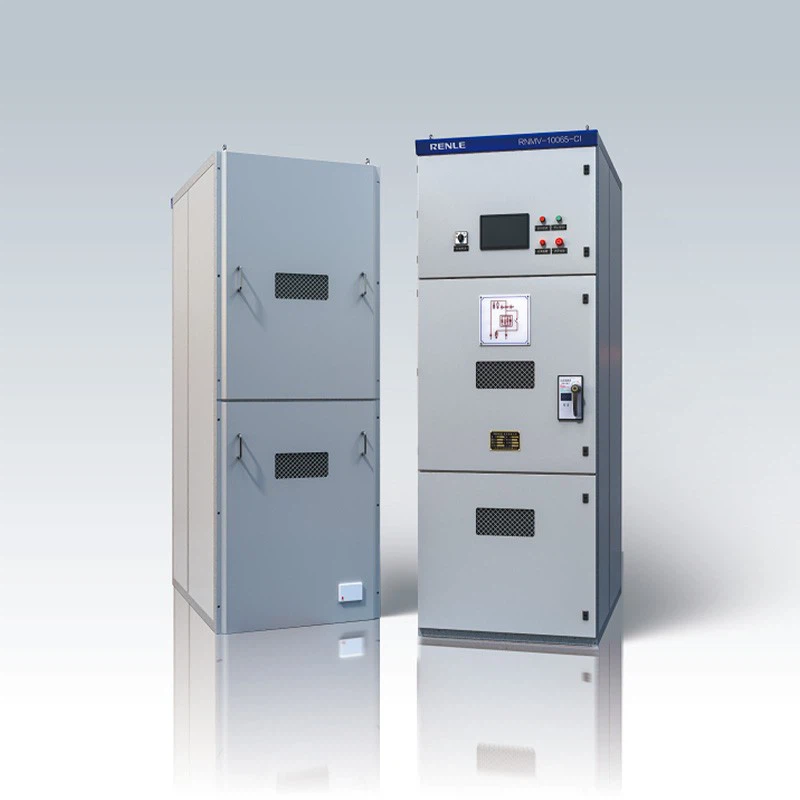
Before delving into the transportation process, it's crucial to have a clear understanding of what a Medium Voltage Starter is. A Medium Voltage Starter is an electrical device used to control the starting and stopping of medium voltage motors. It plays a vital role in various industrial applications, such as manufacturing plants, mining operations, and power generation facilities. These starters are typically large, heavy, and contain sensitive electronic components, making them vulnerable to damage during transportation.
Pre - transportation Preparations
Inspection
The first step in transporting a Medium Voltage Starter safely is to conduct a thorough inspection of the equipment. Check for any visible signs of damage, loose connections, or missing parts. Make sure that all the protective covers are in place and securely fastened. This inspection will not only help identify any pre - existing issues but also serve as a baseline for comparison after transportation.
Documentation
Gather all the necessary documentation related to the Medium Voltage Starter. This includes the user manual, technical specifications, warranty information, and any special handling instructions. Having these documents on hand will ensure that the transportation team is aware of the specific requirements and precautions for the equipment.

Packaging
Proper packaging is essential to protect the Medium Voltage Starter during transportation. Use high - quality packaging materials, such as heavy - duty cardboard boxes, foam inserts, and shock - absorbing materials. The packaging should be designed to prevent any movement or shifting of the starter inside the box. Label the package clearly with the product name, model number, weight, and any special handling instructions, such as "Fragile" or "This Side Up."
Securing Components
Inside the Medium Voltage Starter, secure all the loose components, such as circuit boards, relays, and fuses. Use zip ties, brackets, or other appropriate fasteners to prevent them from moving around during transit. This will help prevent damage to these sensitive components due to vibration or impact.
Choosing the Right Transportation Method
Mode of Transport
There are several modes of transport available for shipping a Medium Voltage Starter, including road, rail, air, and sea. The choice of transport mode depends on various factors, such as the distance to the destination, the urgency of delivery, and the size and weight of the starter.
- Road Transport: Road transport is a common choice for local or regional deliveries. It offers flexibility in terms of pickup and delivery locations and can be more cost - effective for shorter distances. However, it is important to ensure that the vehicle used for transportation is equipped with proper shock - absorbing suspension and that the starter is securely fastened to prevent movement during transit.
- Rail Transport: Rail transport is suitable for long - distance shipments within a country or region. It is generally more cost - effective than air transport and can handle large and heavy loads. However, rail transport may involve multiple transfers, which can increase the risk of damage. Make sure that the starter is properly packaged and secured in a rail - compatible container.
- Air Transport: Air transport is the fastest option for shipping a Medium Voltage Starter, especially for international or urgent deliveries. However, it is also the most expensive. When choosing air transport, ensure that the airline has experience in handling electrical equipment and that the starter is packaged to meet their specific requirements.
- Sea Transport: Sea transport is a cost - effective option for long - distance international shipments. It can handle large volumes of cargo. However, sea transport has a longer transit time and is subject to the risks associated with rough seas and port handling. Use a high - quality shipping container and ensure that the starter is properly secured inside the container.
Carrier Selection
Regardless of the mode of transport, it is crucial to choose a reliable carrier. Look for carriers with a good reputation for handling electrical equipment and a proven track record of safe transportation. Check their insurance coverage to ensure that the Medium Voltage Starter is adequately protected in case of damage or loss during transit.
Loading and Unloading
Loading
When loading the Medium Voltage Starter onto the transport vehicle or container, use appropriate lifting equipment, such as forklifts or cranes. Make sure that the lifting points on the starter are clearly marked and that the equipment is used correctly to avoid any damage. Place the starter in the vehicle or container in a stable position and secure it using straps, chains, or other suitable restraints.
Unloading
At the destination, follow the same safety procedures for unloading as for loading. Use the correct lifting equipment and ensure that the starter is handled carefully. Once unloaded, inspect the package again for any signs of damage during transit.
In - transit Monitoring
If possible, implement in - transit monitoring for the Medium Voltage Starter. This can be done using GPS tracking devices and sensors that can monitor factors such as temperature, humidity, vibration, and shock. Real - time monitoring will allow you to detect any potential issues during transit and take appropriate action immediately.
Post - transportation Checks
After the Medium Voltage Starter has been delivered, conduct a thorough post - transportation inspection. Compare the condition of the starter with the pre - transportation inspection results. Check all the connections, components, and functions to ensure that the starter is in working order. If any damage is detected, document it immediately and contact the carrier and the insurance company.
3.3 Kv Soft Starter and Medium Voltage Solid State Starter Considerations
When transporting a 3.3 Kv Soft Starter or a Medium Voltage Solid State Starter, there are some additional considerations. These types of starters often have more advanced electronic components that are more sensitive to temperature, humidity, and electromagnetic interference.
- Temperature and Humidity Control: Ensure that the transportation environment has appropriate temperature and humidity control. Extreme temperatures and high humidity can damage the electronic components. Use climate - controlled containers or vehicles if necessary.
- Electromagnetic Shielding: Protect the starter from electromagnetic interference. This can be achieved by using electromagnetic shielding materials in the packaging or by ensuring that the starter is placed away from sources of electromagnetic radiation during transportation.
Conclusion
Transporting a Medium Voltage Starter safely requires a comprehensive approach that includes pre - transportation preparations, choosing the right transportation method, proper loading and unloading, in - transit monitoring, and post - transportation checks. By following these guidelines and best practices, you can minimize the risk of damage to the starter and ensure that it reaches its destination in optimal condition.
If you are in the market for a Medium Voltage Starter or have any questions about transportation or other aspects of these products, I encourage you to reach out. We are here to provide you with the highest - quality Medium Voltage Starters and the support you need for a successful installation and operation. Contact us to start a procurement discussion and find the best solution for your industrial needs.
References
- Electrical Equipment Transportation Guidelines, Industry Standards Publication
- Medium Voltage Starter User Manuals
- Carrier Safety and Handling Procedures Documentation