

Hey there! As a supplier of High Voltage Variable Frequency Drives (VFDs), I often get asked about how these nifty devices can reduce the starting current of a motor. Well, let's dive right into it!
First off, let's talk about why reducing the starting current of a motor is such a big deal. When a motor starts up, it usually draws a huge amount of current, sometimes up to 6 - 8 times its normal operating current. This high inrush current can cause all sorts of problems. It can put a strain on the electrical supply system, leading to voltage dips that might affect other equipment connected to the same power grid. It can also cause mechanical stress on the motor itself and the connected machinery, potentially shortening their lifespan.
So, how does a High Voltage VFD come to the rescue?
The Basics of a High Voltage VFD
A High Voltage VFD is essentially a device that controls the speed and torque of an AC motor by varying the frequency and voltage supplied to it. It consists of three main parts: the rectifier, the DC bus, and the inverter.
The rectifier takes the incoming AC power and converts it into DC power. This DC power is then stored in the DC bus, which acts as an energy reservoir. Finally, the inverter takes the DC power from the bus and converts it back into AC power at the desired frequency and voltage for the motor.
How It Reduces Starting Current
Soft Start Function
One of the key ways a High Voltage VFD reduces starting current is through its soft start function. Instead of applying full voltage to the motor all at once, the VFD gradually increases the voltage and frequency supplied to the motor over a set period of time.
When the motor starts, the VFD starts with a low frequency and voltage. As the frequency and voltage increase slowly, the motor accelerates smoothly. This gradual increase in voltage and frequency means that the motor doesn't draw a large inrush current right at the start. Instead, the current is limited to a more manageable level, typically 1.5 - 2 times the motor's rated current.
For example, let's say you have a large industrial motor that would normally draw a massive current when started directly. With a High Voltage VFD, you can set the soft start time to, say, 30 seconds. During this 30 - second period, the VFD will ramp up the voltage and frequency steadily, allowing the motor to start smoothly without causing a huge spike in current.
Torque Control
Another important aspect is torque control. A High Voltage VFD can precisely control the torque output of the motor during startup. By adjusting the voltage and frequency, the VFD can ensure that the motor develops just enough torque to start rotating without drawing excessive current.
When a motor starts, it needs to overcome the inertia of the load. If too much torque is applied too quickly, the motor will draw a large current. The VFD can calculate the required torque based on the load characteristics and gradually increase the torque output as the motor accelerates. This way, the current is kept under control while still ensuring that the motor can start the load effectively.
Real - World Benefits
The ability of a High Voltage VFD to reduce starting current has several real - world benefits.
Energy Savings
By reducing the starting current, the VFD also reduces the overall energy consumption during startup. Since the motor doesn't draw a large amount of current all at once, there is less wasted energy in the form of heat and electrical losses. Over time, these energy savings can add up significantly, especially for motors that are started and stopped frequently.
Equipment Protection
As mentioned earlier, the high inrush current can cause mechanical stress on the motor and the connected machinery. By reducing the starting current, the VFD helps to protect the motor and other equipment from damage. This can extend the lifespan of the equipment, reducing maintenance costs and downtime.
Power Grid Stability
The reduced starting current also helps to maintain the stability of the power grid. When a large motor starts with a high inrush current, it can cause voltage dips in the power grid, which can affect other equipment. With a High Voltage VFD, the smooth startup of the motor minimizes these voltage dips, ensuring that the power grid remains stable.
Our High Voltage VFD Offerings
We offer a wide range of High Voltage VFDs that are designed to meet the needs of various industries. Our High Voltage Drive is a state - of - the - art product that provides excellent performance and reliability. It has advanced features such as precise torque control, soft start, and energy optimization.
Our Medium Voltage AC Drive is another great option for applications where medium - voltage motors are used. It offers a high level of flexibility and can be easily integrated into existing systems.
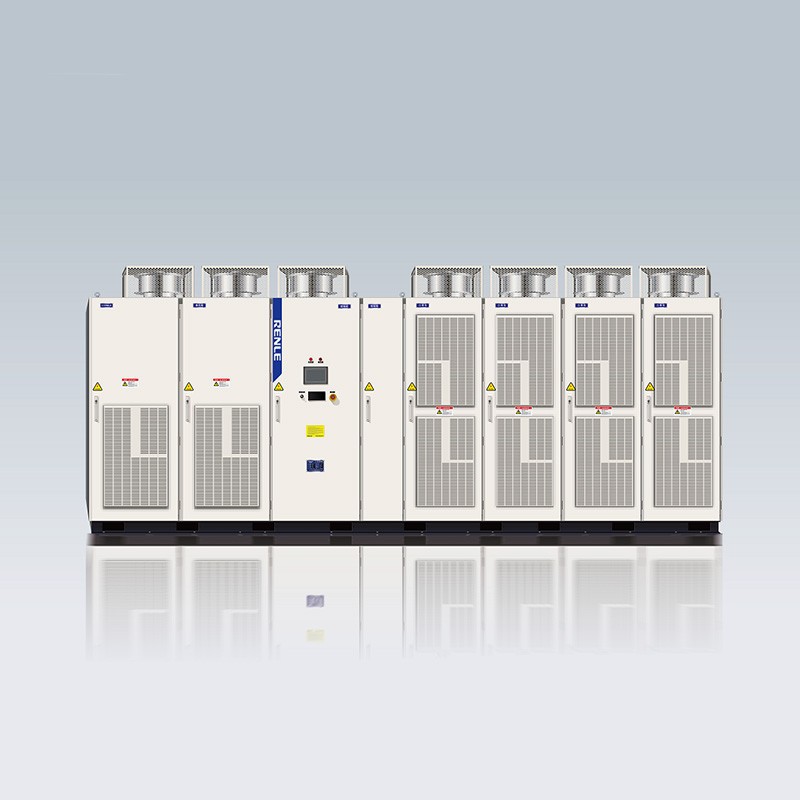
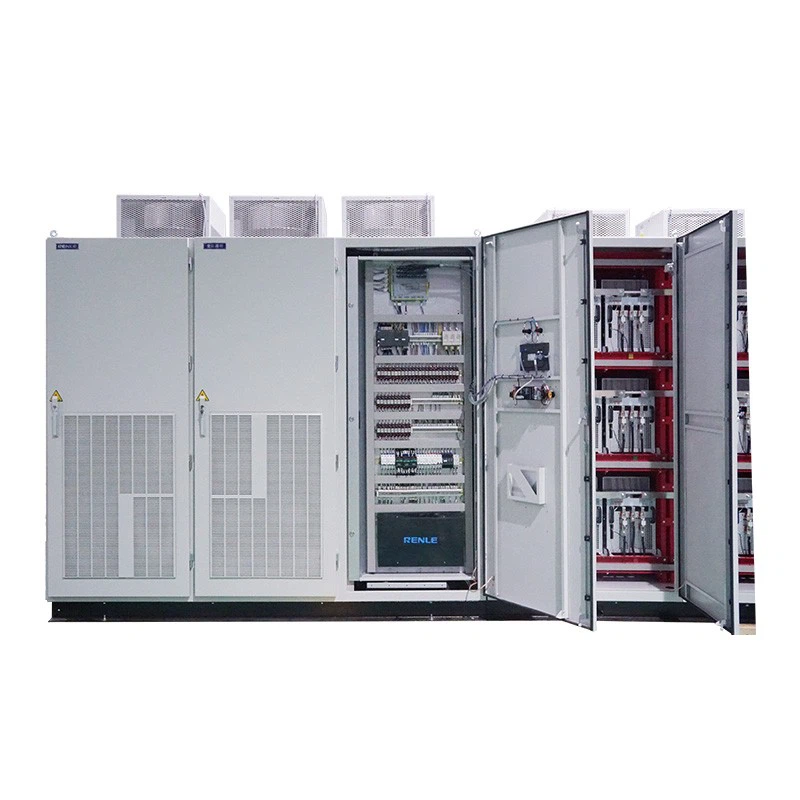
If you are looking for a solution for high - voltage motor starting, our 6.6kV Soft Starter is a great choice. It provides a smooth and reliable start for motors, reducing the starting current and protecting the equipment.
Conclusion
In conclusion, a High Voltage VFD is an essential tool for reducing the starting current of a motor. Its soft start function, torque control, and other features make it possible to start motors smoothly and efficiently, while also providing numerous benefits such as energy savings, equipment protection, and power grid stability.
If you're interested in learning more about our High Voltage VFDs or have any questions about how they can be used in your application, don't hesitate to get in touch. We're here to help you find the best solution for your motor starting needs. Let's have a chat and see how we can work together to improve your operations.
References
- Fitzgerald, A. E., Kingsley, C., & Umans, S. D. (2003). Electric Machinery. McGraw - Hill.
- Chapman, S. J. (2012). Electric Machinery Fundamentals. McGraw - Hill.