

As a supplier of medium voltage switchgear, I often encounter inquiries from customers about the differences between medium voltage switchgear and high voltage switchgear. Understanding these differences is crucial for making informed decisions when it comes to electrical system design, installation, and maintenance. In this blog post, I will delve into the key distinctions between medium voltage switchgear and high voltage switchgear, shedding light on their unique features, applications, and considerations.
Voltage Ratings
One of the most fundamental differences between medium voltage switchgear and high voltage switchgear lies in their voltage ratings. Medium voltage switchgear typically operates within the range of 1 kV to 72.5 kV, while high voltage switchgear is designed for voltages above 72.5 kV. The voltage rating of a switchgear determines its ability to handle electrical power and the level of insulation required to prevent electrical breakdown.
Medium voltage switchgear is commonly used in industrial, commercial, and residential applications where the power demand is relatively moderate. It is suitable for distributing electrical power within a facility, controlling motors, and protecting electrical equipment from overcurrent and short circuits. Examples of medium voltage switchgear include Medium Voltage Cubicle, which are prefabricated units that house circuit breakers, switches, and other components in a compact and modular design.
High voltage switchgear, on the other hand, is primarily used in power generation, transmission, and distribution systems where large amounts of electrical power need to be transmitted over long distances. It is designed to withstand high voltages and currents, and it plays a critical role in ensuring the reliability and safety of the electrical grid. High voltage switchgear typically consists of large, complex assemblies that require specialized installation and maintenance procedures.
Construction and Design
Another significant difference between medium voltage switchgear and high voltage switchgear is their construction and design. Medium voltage switchgear is generally more compact and modular than high voltage switchgear, making it easier to install and maintain. It is often housed in metal enclosures that provide protection against environmental factors such as dust, moisture, and mechanical damage.
Medium voltage switchgear also features a variety of circuit breaker technologies, including vacuum circuit breakers, air circuit breakers, and SF6 circuit breakers. Vacuum circuit breakers are the most commonly used type of circuit breaker in medium voltage switchgear due to their high reliability, low maintenance requirements, and environmental friendliness. Air circuit breakers are suitable for applications where the fault current is relatively low, while SF6 circuit breakers are used in applications where high interrupting capacity is required.

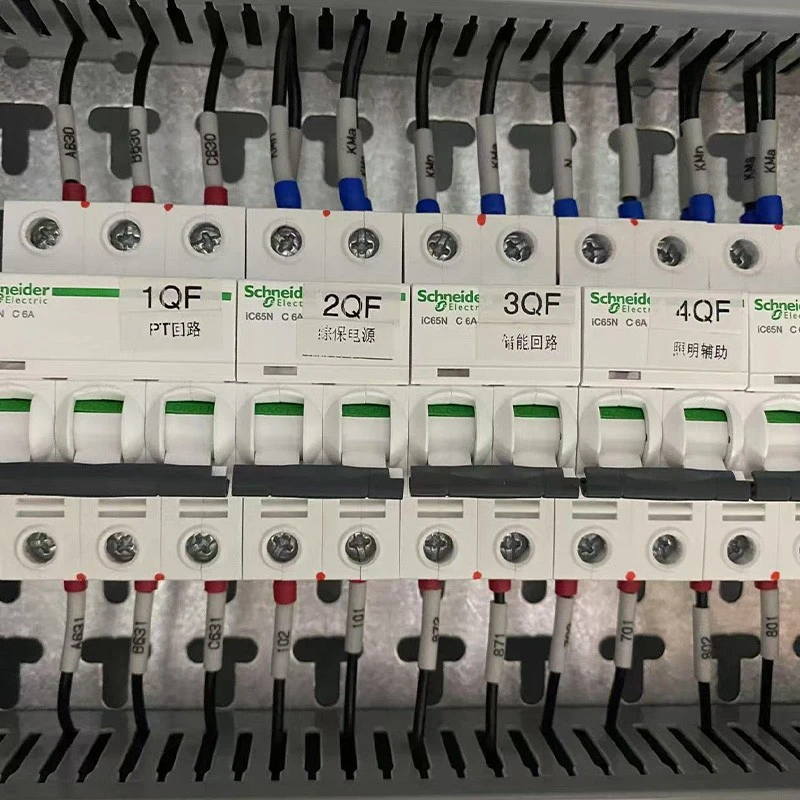
High voltage switchgear, on the other hand, is typically larger and more complex than medium voltage switchgear. It is often installed outdoors in substations or power plants, where it is exposed to harsh environmental conditions. High voltage switchgear requires specialized insulation materials and cooling systems to ensure its safe and reliable operation.
High voltage switchgear also features a variety of circuit breaker technologies, including SF6 circuit breakers, air blast circuit breakers, and oil circuit breakers. SF6 circuit breakers are the most commonly used type of circuit breaker in high voltage switchgear due to their high interrupting capacity, low maintenance requirements, and excellent insulation properties. Air blast circuit breakers are suitable for applications where high-speed interruption is required, while oil circuit breakers are used in applications where the fault current is relatively high.
Protection and Control
Medium voltage switchgear and high voltage switchgear also differ in terms of their protection and control capabilities. Medium voltage switchgear is typically equipped with overcurrent protection devices, such as fuses and circuit breakers, to protect electrical equipment from damage caused by excessive current. It may also include additional protection features, such as ground fault protection, overvoltage protection, and undervoltage protection.
Medium voltage switchgear is also designed to provide remote control and monitoring capabilities, allowing operators to monitor the status of the switchgear and control its operation from a central location. This can improve the efficiency and reliability of the electrical system, as well as reduce the need for on-site maintenance.
High voltage switchgear, on the other hand, requires more sophisticated protection and control systems due to the high voltages and currents involved. It is typically equipped with multiple layers of protection, including differential protection, distance protection, and overcurrent protection, to ensure the safe and reliable operation of the electrical grid.
High voltage switchgear also features advanced control and monitoring systems that allow operators to monitor the status of the switchgear in real-time and take appropriate action in the event of a fault. These systems may include remote terminal units (RTUs), intelligent electronic devices (IEDs), and supervisory control and data acquisition (SCADA) systems.
Applications
The differences in voltage ratings, construction, design, and protection and control capabilities between medium voltage switchgear and high voltage switchgear also result in different applications for each type of switchgear.Medium voltage switchgear is commonly used in a variety of industrial, commercial, and residential applications, including:
- Industrial plants: Medium voltage switchgear is used to distribute electrical power within industrial plants, control motors, and protect electrical equipment from overcurrent and short circuits.
- Commercial buildings: Medium voltage switchgear is used to supply electrical power to commercial buildings, such as offices, shopping malls, and hospitals.
- Residential complexes: Medium voltage switchgear is used to distribute electrical power to residential complexes, such as apartment buildings and housing estates.
High voltage switchgear, on the other hand, is primarily used in power generation, transmission, and distribution systems, including:
- Power plants: High voltage switchgear is used to connect generators to the electrical grid and to control the flow of electrical power between the power plant and the transmission system.
- Transmission substations: High voltage switchgear is used to transform electrical power from high voltage to medium voltage and to distribute it to the distribution system.Medium voltage switchgear is used to distribute electrical power to consumers, such as homes, businesses, and industries.
Considerations for Choosing Medium Voltage Switchgear or High Voltage Switchgear
When choosing between medium voltage switchgear and high voltage switchgear, several factors need to be considered, including:
- Voltage requirements: The voltage rating of the switchgear should match the voltage requirements of the electrical system.
- Power demand: The power demand of the electrical system should be considered when choosing the size and capacity of the switchgear.Fault current: The fault current of the electrical system should be considered when choosing the interrupting capacity of the switchgear.Electrical system design and configuration should be considered when choosing the type and layout of the switchgear.Application requirements: The specific application requirements of the electrical system, such as reliability, safety, and environmental considerations should be considered when choosing the switchgear.
Conclusion
In conclusion, medium voltage switchgear and high voltage switchgear are two distinct types of electrical equipment that serve different purposes in the electrical system. Medium voltage switchgear is suitable for applications where the power demand is relatively moderate, while high voltage switchgear is designed for applications where large amounts of electrical power need to be transmitted over long distances.
As a supplier of medium voltage switchgear I understand the importance of providing high-quality products that meet the specific needs of our customers. We offer a wide range of medium voltage switchgear solutions, including Medium Voltage Cubicle, that are designed to provide reliable and efficient electrical power distribution.
If you are in need of medium voltage switchgear or have any questions about the differences between medium voltage switchgear and high voltage switchgear, please feel free to contact us. Our team of experts will be happy to assist you in choosing the right switchgear solution for your application.
References
- Electrical Power Systems Quality, by Roger C. Dugan, Mark F. McGranaghan, and Surya Santoso (McGraw-Hill, 2003).
- Power System Protection, by J. Lewis Blackburn and Thomas J. Domin (CRC Press, 2013).High Voltage Engineering, by M. S. Naidu and V. Kamaraju (McGraw-Hill, 2009).