

As a supplier of Medium Voltage Cubicles, I've witnessed firsthand the complex interplay of factors that determine the price of these essential electrical components. Medium Voltage Cubicles, crucial for distributing and controlling electrical power in various industrial and commercial settings, come with a price tag influenced by a multitude of elements. In this blog, I'll delve into the key factors that affect the price of a Medium Voltage Cubicle, providing insights for those in the market to make informed decisions.
1. Design and Customization
The design of a Medium Voltage Cubicle is often the first factor that impacts its price. Standard, off - the - shelf designs are generally more affordable as they are mass - produced, benefiting from economies of scale. These cubicles are designed to meet common industry requirements and are readily available, reducing production time and costs.
On the other hand, customized Medium Voltage Cubicles can be significantly more expensive. Customization may involve modifying the size, shape, or internal layout of the cubicle to fit specific installation spaces or to accommodate unique electrical configurations. For instance, a client may require a cubicle with a non - standard width to fit into a narrow electrical room. Or, they might need a cubicle with a special arrangement of circuit breakers and switches to meet the specific power distribution needs of a complex industrial process.
Moreover, custom - designed cubicles often require additional engineering work. Our team of experienced engineers needs to spend time on detailed design calculations, ensuring that the cubicle meets all safety and performance standards. This extra engineering effort adds to the overall cost. For more information on the standard and custom options of Medium Voltage Cubicles, you can visit Medium Voltage Cubicle.
2. Material Quality
The materials used in the construction of a Medium Voltage Cubicle play a vital role in determining its price. The enclosure of the cubicle is typically made of steel or aluminum. High - quality steel, which offers better strength and durability, is more expensive than lower - grade steel. Similarly, aluminum, known for its corrosion resistance and lightweight properties, can also increase the cost, especially if it is of a high - purity grade.
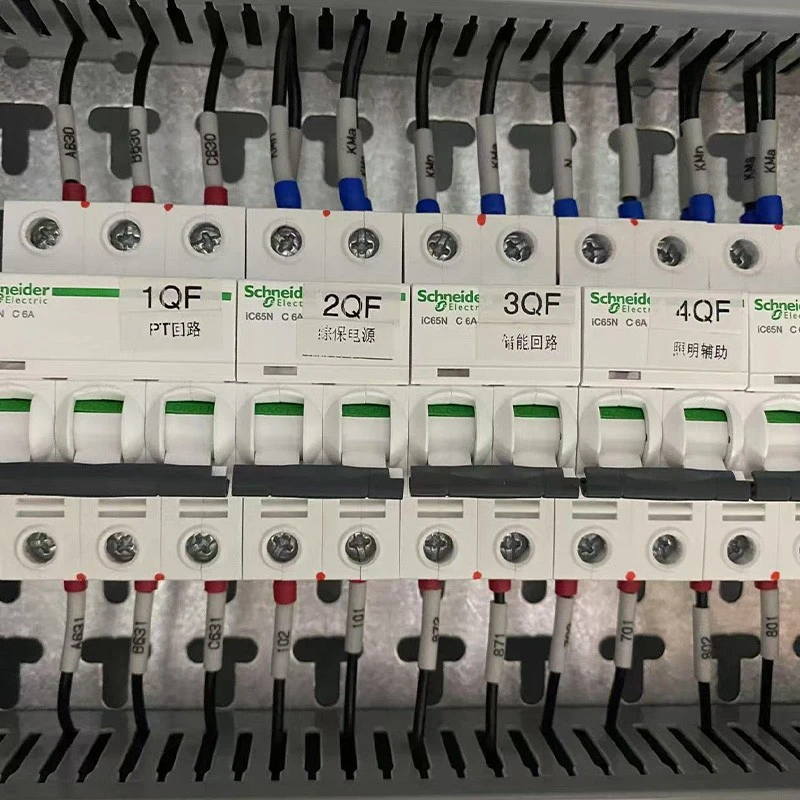
Inside the cubicle, the electrical components are equally important. Circuit breakers, contactors, and relays are critical parts that ensure the safe and efficient operation of the cubicle. High - quality electrical components from well - known manufacturers are more reliable and have a longer lifespan. However, they also come with a higher price tag. For example, a circuit breaker with advanced protection features and a proven track record of performance will cost more than a basic, generic breaker.
Insulation materials are another factor to consider. Good insulation is essential to prevent electrical leakage and ensure the safety of the cubicle. High - performance insulation materials, such as epoxy resin or ceramic, are more expensive but offer better electrical insulation properties and can withstand higher temperatures and voltages.
3. Manufacturing Process
The manufacturing process of a Medium Voltage Cubicle can have a significant impact on its price. Advanced manufacturing techniques, such as precision machining and automated assembly, can improve the quality and consistency of the cubicles. However, these techniques often require expensive equipment and skilled labor, which in turn increases the cost.
Quality control is an integral part of the manufacturing process. Rigorous testing at various stages of production ensures that the cubicle meets all relevant standards and specifications. This includes electrical performance tests, insulation resistance tests, and mechanical strength tests. The cost of setting up and conducting these tests, as well as the cost of any rework or repairs that may be required, is factored into the final price of the cubicle.
In addition, the location of the manufacturing facility can also affect the price. Manufacturing in regions with higher labor and production costs, such as Western Europe or North America, may result in a more expensive product compared to manufacturing in regions with lower costs, such as Asia. However, it's important to note that manufacturing in low - cost regions may also come with potential challenges in terms of quality control and supply chain management.
4. Safety and Compliance Standards
Medium Voltage Cubicles are subject to a variety of safety and compliance standards, both national and international. Meeting these standards is not only a legal requirement but also crucial for ensuring the safety of the end - users.
Compliance with standards such as IEC (International Electrotechnical Commission) and ANSI (American National Standards Institute) often requires additional design features and testing. For example, a cubicle may need to be designed with proper ventilation to prevent overheating, and it may need to have specific grounding and bonding arrangements to ensure electrical safety.

The cost of obtaining certifications for these standards can be significant. Manufacturers need to invest in testing equipment and hire third - party testing laboratories to verify that the cubicles meet the requirements. All these costs are ultimately passed on to the customer, resulting in a higher price for compliant Medium Voltage Cubicles.
5. Market Demand and Supply
The basic economic principle of supply and demand also affects the price of Medium Voltage Cubicles. When the demand for these cubicles is high, such as during a period of rapid industrial expansion or infrastructure development, the prices tend to rise. This is because suppliers may have limited production capacity and may need to increase prices to balance supply and demand.
Conversely, when the market is saturated with Medium Voltage Cubicles, suppliers may offer competitive prices to attract customers. In a highly competitive market, suppliers may also offer discounts or special promotions to gain an edge over their competitors.
The availability of raw materials can also impact the price. If there are shortages of key materials, such as steel or copper, the cost of manufacturing Medium Voltage Cubicles will increase, and these increased costs will be reflected in the final price.
6. After - Sales Service
After - sales service is an important consideration for customers when purchasing Medium Voltage Cubicles. A supplier that offers comprehensive after - sales service, including installation, maintenance, and technical support, will generally charge a higher price for their products.
Installation services ensure that the cubicle is correctly installed and commissioned, minimizing the risk of operational problems. Maintenance services, such as regular inspections and component replacements, help to extend the lifespan of the cubicle and ensure its continued safe and efficient operation. Technical support is also crucial, especially for customers who may encounter complex electrical problems or need advice on system upgrades.
Our company takes pride in offering top - notch after - sales service. Our team of technicians is available to provide on - site support and training, ensuring that our customers can get the most out of their Medium Voltage Cubicles. While this level of service adds to the cost, we believe it is a valuable investment for our customers in the long run.
Conclusion
In conclusion, the price of a Medium Voltage Cubicle is influenced by a wide range of factors, including design and customization, material quality, manufacturing process, safety and compliance standards, market demand and supply, and after - sales service. As a supplier, we understand the importance of providing high - quality products at a competitive price.
If you are in the market for Medium Voltage Cubicles and are looking for a reliable supplier, we invite you to contact us for a detailed discussion. Our team of experts can help you understand your specific requirements and provide you with a customized solution that meets your needs and budget. We look forward to the opportunity to work with you and contribute to your electrical power distribution projects.
References
- Electrical Equipment Manufacturing Association Publications
- International Electrotechnical Commission (IEC) Standards
- American National Standards Institute (ANSI) Standards