

As a supplier of medium voltage switchgear, I understand the critical role that environmental conditions play in the performance and longevity of our products. One of the most important environmental factors to consider is humidity. In this blog post, I will discuss the humidity requirements for medium voltage switchgear, why they are important, and how to ensure that your switchgear operates within the recommended humidity range.
Why Humidity Matters for Medium Voltage Switchgear
Medium voltage switchgear is designed to control, protect, and isolate electrical equipment in power distribution systems. These systems typically operate at voltages between 1 kV and 72.5 kV and are used in a variety of applications, including industrial plants, commercial buildings, and utility substations.
Humidity can have a significant impact on the performance and reliability of medium voltage switchgear. High humidity levels can cause corrosion, condensation, and electrical insulation breakdown, which can lead to equipment failure, downtime, and safety hazards. On the other hand, low humidity levels can cause dryness, which can also lead to insulation breakdown and other problems.
Recommended Humidity Range for Medium Voltage Switchgear
The recommended humidity range for medium voltage switchgear depends on several factors, including the type of switchgear, the location of the installation, and the operating conditions. In general, the recommended relative humidity range for medium voltage switchgear is between 30% and 70%.
Within this range, the switchgear is less likely to experience corrosion, condensation, or insulation breakdown. However, it is important to note that the recommended humidity range may vary depending on the specific requirements of the switchgear manufacturer. Therefore, it is always a good idea to consult the manufacturer's documentation or technical support team for the exact humidity requirements of your switchgear.
Effects of High Humidity on Medium Voltage Switchgear
High humidity levels can have several negative effects on medium voltage switchgear, including:
- Corrosion: Moisture in the air can cause metal components of the switchgear to corrode, which can weaken the structural integrity of the equipment and lead to premature failure.
- Condensation: When the temperature of the switchgear drops below the dew point, moisture in the air can condense on the surfaces of the equipment. This can cause electrical shorts, insulation breakdown, and other problems.
- Insulation Breakdown: High humidity levels can reduce the dielectric strength of the insulation materials used in the switchgear, which can increase the risk of electrical arcing and other insulation-related failures.
- Mold and Mildew Growth: Moisture can also provide a breeding ground for mold and mildew, which can damage the insulation materials and other components of the switchgear.
Effects of Low Humidity on Medium Voltage Switchgear
Low humidity levels can also have negative effects on medium voltage switchgear, including:
- Dryness: Low humidity levels can cause the insulation materials used in the switchgear to dry out, which can reduce their dielectric strength and increase the risk of electrical arcing and other insulation-related failures.
- Static Electricity: Dry air can also cause static electricity to build up on the surfaces of the switchgear, which can attract dust and other contaminants and increase the risk of electrical shorts and other problems.
How to Control Humidity in Medium Voltage Switchgear
To ensure that your medium voltage switchgear operates within the recommended humidity range, it is important to take steps to control the humidity in the environment where the switchgear is installed. Here are some tips for controlling humidity in medium voltage switchgear:
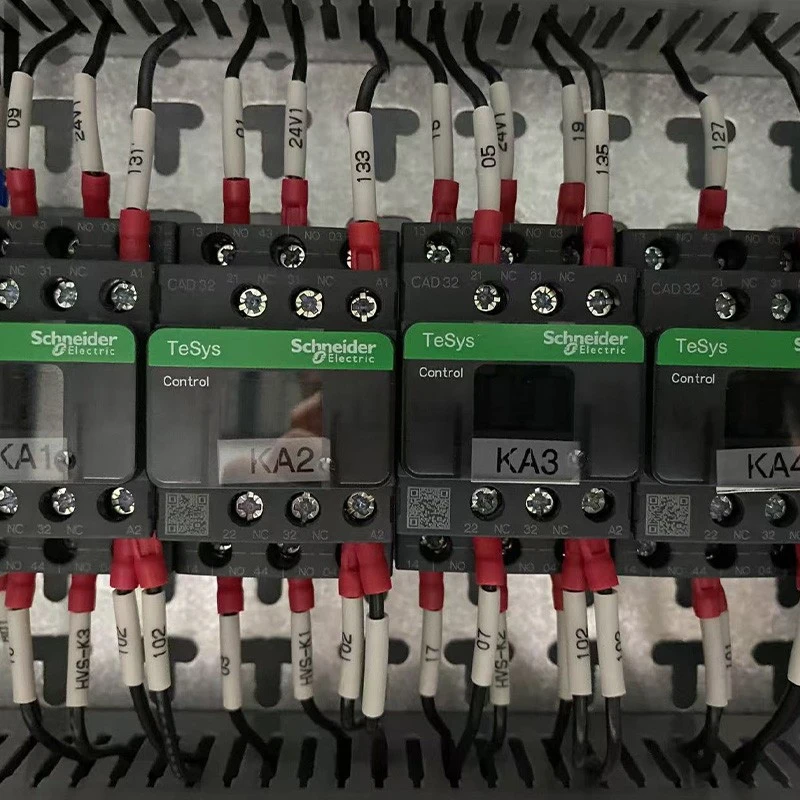

- Use a Dehumidifier: A dehumidifier can be used to remove moisture from the air and maintain a consistent humidity level in the switchgear room. Make sure to choose a dehumidifier that is appropriately sized for the room and the humidity level you want to maintain.
- Install a Humidifier: In some cases, it may be necessary to increase the humidity level in the switchgear room to prevent dryness and static electricity. A humidifier can be used to add moisture to the air and maintain a consistent humidity level.
- Seal the Switchgear Room: To prevent moisture from entering the switchgear room, it is important to seal any cracks, gaps, or openings in the walls, floors, and ceilings. This can help to maintain a consistent humidity level and reduce the risk of corrosion, condensation, and other problems.
- Monitor the Humidity Level: Regularly monitor the humidity level in the switchgear room using a hygrometer. This will allow you to detect any changes in the humidity level and take appropriate action to maintain the recommended humidity range.
Conclusion
In conclusion, humidity is an important environmental factor to consider when installing and operating medium voltage switchgear. High humidity levels can cause corrosion, condensation, and insulation breakdown, while low humidity levels can cause dryness and static electricity. By maintaining the recommended humidity range of between 30% and 70%, you can help to ensure the performance and reliability of your medium voltage switchgear.
If you are in the market for medium voltage switchgear, I encourage you to consider our products. We are a leading supplier of Medium Voltage Cubicle and other medium voltage electrical equipment, and we are committed to providing our customers with high-quality products and excellent customer service. If you have any questions or would like to learn more about our products, please do not hesitate to contact us. We look forward to hearing from you and working with you to meet your medium voltage switchgear needs.
References
- IEEE Standard for Metal-Enclosed Low-Voltage Power Circuit Breaker Switchgear (IEEE C37.20.1)
- IEC 62271-200: High-voltage switchgear and controlgear - Part 200: AC metal-enclosed switchgear and controlgear for rated voltages above 1 kV and up to and including 52 kV
- Manufacturer's documentation and technical support for specific medium voltage switchgear products