

In the industrial sector, Variable Frequency Drive (VFD) motor starters play a crucial role in controlling the speed and torque of electric motors. These devices not only enhance energy efficiency but also provide precise control over motor operations. However, the dynamic response performance of a VFD motor starter can significantly impact the overall efficiency and productivity of industrial processes. As a VFD Motor Starter [/soft - starter/variable - frequency - starter/vfd - motor - starter.html] supplier, I understand the importance of optimizing this performance. In this blog, I will share some effective strategies to improve the dynamic response performance of a VFD motor starter.
Understanding Dynamic Response in VFD Motor Starters
Before delving into the improvement strategies, it is essential to understand what dynamic response means in the context of VFD motor starters. Dynamic response refers to the ability of a VFD motor starter to quickly and accurately adjust the motor's speed and torque in response to changes in load or command signals. A good dynamic response ensures smooth operation, reduces wear and tear on the motor, and enhances the overall system performance.
Strategies to Improve Dynamic Response Performance
1. Optimize Control Parameters
The control parameters of a VFD motor starter are the key to achieving good dynamic response. These parameters include proportional (P), integral (I), and derivative (D) gains in a PID controller, which is commonly used in VFDs.
- Proportional Gain: A higher proportional gain can increase the responsiveness of the system. However, setting it too high can lead to overshoot and instability. It is crucial to find the right balance based on the specific application requirements.
- Integral Gain: The integral gain helps to eliminate steady - state errors. By adjusting this parameter, we can ensure that the motor reaches and maintains the desired speed accurately. But excessive integral gain can cause oscillations.
- Derivative Gain: The derivative gain is used to predict future errors and dampen oscillations. It can improve the system's stability and reduce overshoot. However, it is sensitive to noise, so it needs to be carefully tuned.
2. Upgrade the Power Electronics
The power electronics components in a VFD motor starter, such as insulated - gate bipolar transistors (IGBTs), play a vital role in its dynamic response. Upgrading to higher - quality and more advanced power electronics can improve the switching speed and efficiency of the VFD.
- Faster Switching IGBTs: Faster - switching IGBTs can reduce the time required to change the output voltage and frequency, resulting in a quicker response to load changes.
- Improved Heat Dissipation: Efficient heat dissipation is essential for the reliable operation of power electronics. Using better heat sinks and cooling systems can prevent overheating and ensure consistent performance.
3. Enhance the Feedback System
A reliable feedback system is crucial for accurate control of the VFD motor starter. The feedback system provides information about the motor's speed, torque, and position, allowing the controller to make appropriate adjustments.
- High - Resolution Encoders: Using high - resolution encoders can provide more accurate speed and position feedback. This enables the VFD to make more precise adjustments, improving the dynamic response.
- Sensorless Control Techniques: In some applications, sensorless control techniques can be used to estimate the motor's speed and position without the need for additional sensors. These techniques can reduce costs and improve system reliability.
4. Implement Advanced Control Algorithms
Advanced control algorithms can significantly improve the dynamic response of a VFD motor starter. These algorithms can adapt to changing load conditions and optimize the control strategy in real - time.
- Model - Predictive Control (MPC): MPC uses a mathematical model of the system to predict future behavior and calculate the optimal control actions. This can result in faster and more accurate responses to load changes.
- Fuzzy Logic Control: Fuzzy logic control is based on fuzzy sets and rules, which can handle complex and uncertain systems. It can provide smooth and stable control, even in the presence of disturbances.
5. Optimize the Motor Design
The design of the motor itself can also affect the dynamic response of the VFD motor starter. Choosing the right motor and optimizing its parameters can improve the overall performance.
- Low - Inertia Motors: Low - inertia motors have less rotational inertia, which means they can accelerate and decelerate more quickly. This can improve the dynamic response of the system.
- Proper Motor Sizing: Selecting a motor with the appropriate power and torque ratings for the application is crucial. An oversized motor may lead to inefficient operation, while an undersized motor may not be able to meet the load requirements.
Case Studies
To illustrate the effectiveness of these strategies, let's look at some real - world case studies.
Case Study 1: A Manufacturing Plant
A manufacturing plant was experiencing slow response times in its conveyor belt system, which was driven by a VFD motor starter. By optimizing the control parameters, upgrading the power electronics, and enhancing the feedback system, the dynamic response of the VFD was significantly improved. The conveyor belt could now start and stop more quickly, reducing the production cycle time and increasing productivity.
Case Study 2: A Pumping System
In a pumping system, the VFD motor starter was having difficulty maintaining a constant flow rate due to fluctuating load conditions. By implementing an advanced control algorithm, specifically model - predictive control, the system was able to adapt to the load changes more effectively. The pump could now adjust its speed in real - time, resulting in a more stable flow rate and reduced energy consumption.
Conclusion
Improving the dynamic response performance of a VFD motor starter is essential for enhancing the efficiency and productivity of industrial processes. By optimizing control parameters, upgrading power electronics, enhancing the feedback system, implementing advanced control algorithms, and optimizing the motor design, we can achieve significant improvements. As a VFD Motor Starter [/soft - starter/variable - frequency - starter/vfd - motor - starter.html] supplier, I am committed to providing high - quality products and solutions that meet the specific needs of our customers.
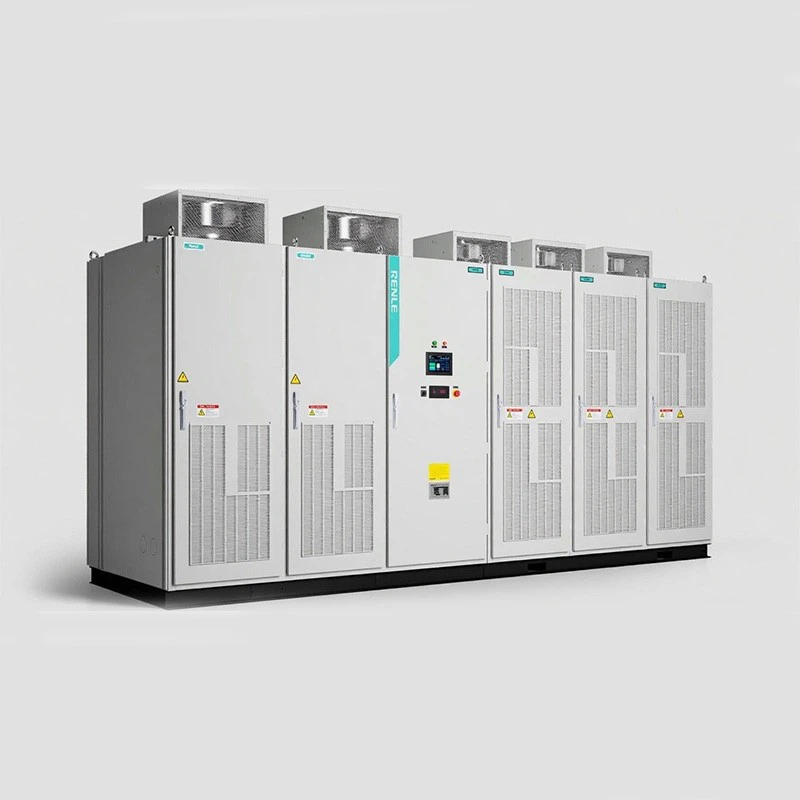

If you are looking to improve the dynamic response performance of your VFD motor starter or are interested in purchasing our products, please feel free to contact us for further discussion and procurement negotiation. We have a team of experts who can provide you with professional advice and support.
References
- Krause, P. C., Wasynczuk, O., & Sudhoff, S. D. (2002). Analysis of electric machinery and drive systems. Wiley - Interscience.
- Bose, B. K. (2006). Power electronics and motor drives: advances and trends. Academic Press.
- Novotny, D. W., & Lipo, T. A. (1996). Vector control and dynamics of ac drives. Oxford University Press.