

In the realm of power quality management, active power filters (APFs) have emerged as a crucial solution for mitigating harmonic distortion and improving the efficiency of electrical systems. As a leading supplier of active power filters, I've witnessed firsthand how the performance of these devices can vary significantly depending on different load characteristics. In this blog post, I'll delve into the intricate relationship between APFs and various loads, exploring how load characteristics influence the effectiveness of APFs and offering insights for optimizing their performance.
Understanding Active Power Filters
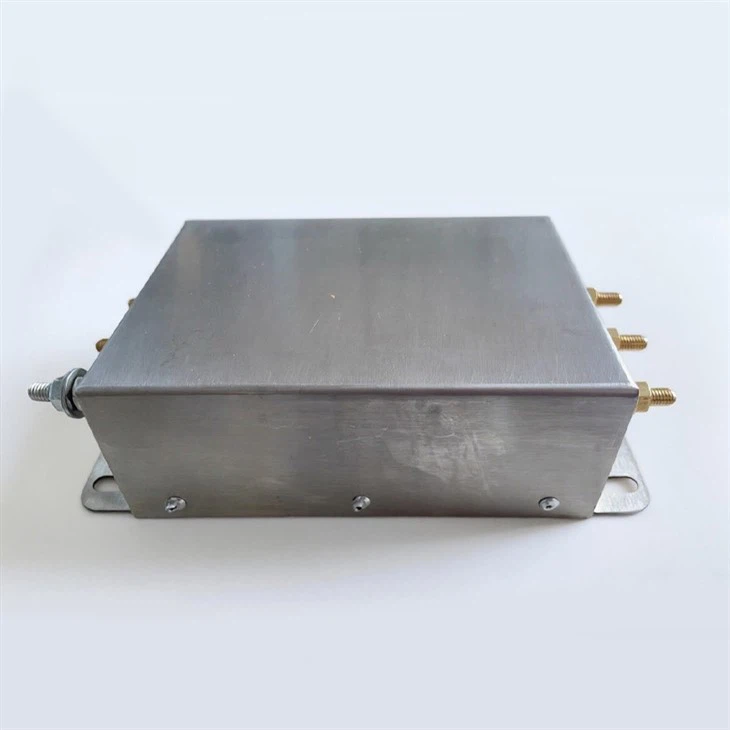
Before we explore the impact of load characteristics, let's briefly review what active power filters are and how they work. An Electrical Harmonic Filter is a sophisticated device designed to detect and compensate for harmonic currents in an electrical system. Unlike passive filters, which use fixed components to absorb harmonics, APFs actively generate counter - harmonic currents that cancel out the unwanted harmonics produced by non - linear loads.
The basic operation of an APF involves three main steps: detection, analysis, and compensation. First, the APF continuously monitors the electrical current in the system to detect the presence of harmonics. Then, it analyzes the frequency and amplitude of these harmonics. Finally, it generates and injects counter - harmonic currents into the system, effectively neutralizing the harmonic distortion and restoring the power quality.

Influence of Load Characteristics on APF Performance
Non - linear Loads
Non - linear loads are the primary source of harmonic distortion in electrical systems. Devices such as variable frequency drives (VFDs), uninterruptible power supplies (UPS), and switch - mode power supplies (SMPS) draw current in a non - sinusoidal manner, resulting in the generation of harmonics.
When an APF is connected to a system with non - linear loads, its performance is highly dependent on the type and magnitude of the harmonics produced. For example, some non - linear loads may generate predominantly low - order harmonics (such as the 3rd, 5th, and 7th harmonics), while others may produce high - order harmonics. APFs are typically designed to handle a wide range of harmonic frequencies, but their compensation capabilities may vary.
In systems with high - magnitude low - order harmonics, APFs can effectively reduce the harmonic distortion to acceptable levels. However, in cases where high - order harmonics are present, the performance of the APF may be limited. High - order harmonics often have higher frequencies and lower amplitudes, which can make them more challenging to detect and compensate for accurately.
Load Variability
Load variability is another important factor that affects the performance of APFs. In many industrial and commercial applications, the load on the electrical system can change significantly over time. For instance, a manufacturing plant may have different production processes running at different times of the day, resulting in varying load demands.
When the load changes, the harmonic content in the system also changes. An APF needs to be able to adapt quickly to these changes to maintain effective harmonic compensation. Some advanced APFs are equipped with real - time monitoring and control systems that can adjust the compensation current based on the changing load conditions. However, in systems with rapid and large - scale load variations, the APF may face challenges in keeping up with the changes, leading to temporary increases in harmonic distortion.
Load Balance
The balance of the load across the three phases of a three - phase electrical system also plays a role in APF performance. In an unbalanced load situation, the harmonic currents in each phase may be different, which can complicate the compensation process.
An APF needs to be able to detect and compensate for the harmonic currents in each phase independently. If the load is severely unbalanced, the APF may need to generate different compensation currents for each phase to achieve effective harmonic reduction. In some cases, an unbalanced load can also lead to the generation of negative - sequence and zero - sequence harmonics, which require additional compensation strategies.
Optimizing APF Performance for Different Loads
Proper Sizing
One of the key steps in optimizing APF performance is proper sizing. When selecting an APF for a particular application, it's essential to consider the load characteristics, including the type of non - linear loads, the expected harmonic levels, and the load variability.
An undersized APF may not be able to provide sufficient compensation for the harmonics, while an oversized APF can be costly and inefficient. By accurately assessing the load requirements and selecting an APF with the appropriate rating, you can ensure that the device operates at its optimal level.
Advanced Control Strategies
Advanced control strategies can also enhance the performance of APFs in different load conditions. For example, some APFs use predictive control algorithms that can anticipate changes in the load and adjust the compensation current accordingly. These algorithms analyze historical load data and system parameters to predict the future harmonic content, allowing the APF to respond more quickly to load changes.
In addition, multi - functional APFs that can perform other tasks such as reactive power compensation and load balancing can provide more comprehensive power quality solutions. These devices can adapt to different load characteristics and optimize the overall performance of the electrical system.
Regular Maintenance and Monitoring
Regular maintenance and monitoring are crucial for ensuring the long - term performance of APFs. Over time, the components of an APF may degrade, and its performance may decline. By conducting regular inspections, testing, and calibration, you can identify and address any potential issues before they become serious problems.
Real - time monitoring of the APF's performance and the harmonic content in the system can also provide valuable insights. Monitoring data can be used to analyze the effectiveness of the APF under different load conditions and to make adjustments to the control parameters if necessary.
Conclusion
The performance of an active power filter is closely intertwined with the characteristics of the loads it serves. Non - linear loads, load variability, and load balance all have a significant impact on the effectiveness of harmonic compensation. As an active power filter supplier, we understand the importance of tailoring our solutions to meet the specific needs of different applications.
By considering the load characteristics during the selection, installation, and operation of APFs, we can optimize their performance and provide reliable power quality improvement. Whether you're dealing with a small commercial building or a large industrial complex, our team of experts can help you choose the right APF and implement the best strategies for your electrical system.
If you're interested in learning more about how our active power filters can improve the performance of your electrical system, or if you're looking to purchase an APF for your specific application, we invite you to contact us for a detailed consultation. Our experienced sales team is ready to assist you in finding the most suitable solution for your power quality needs.
References
- Brown, H. (2017). Power Quality in Electrical Systems. Wiley - IEEE Press.
- Mohan, N., Undeland, T. M., & Robbins, W. P. (2012). Power Electronics: Converters, Applications, and Design. Wiley.
- IEEE Standard 519 - 2014, IEEE Recommended Practices and Requirements for Harmonic Control in Electrical Power Systems.